Freezer burn can turn your carefully stored meat into something dry, tough, and disappointing when it’s finally time to cook.
If you’ve ever pulled out a pack of chicken breasts or steaks only to find grayish spots and that unappetizing icy layer, you know the frustration.
Luckily, freezer burn isn’t inevitable – it’s something you can completely avoid once you understand what causes it and how to store your food the right way.
In this guide, I’ll walk you through everything you need to know about how to prevent freezer burn on frozen meat, from packaging techniques and storage tips to small but powerful changes that make a real difference.
Once you learn these simple habits, you’ll never waste a good cut of meat again.
How to Prevent Freezer Burn on Frozen Meat: Proven Steps That Protect Your Food
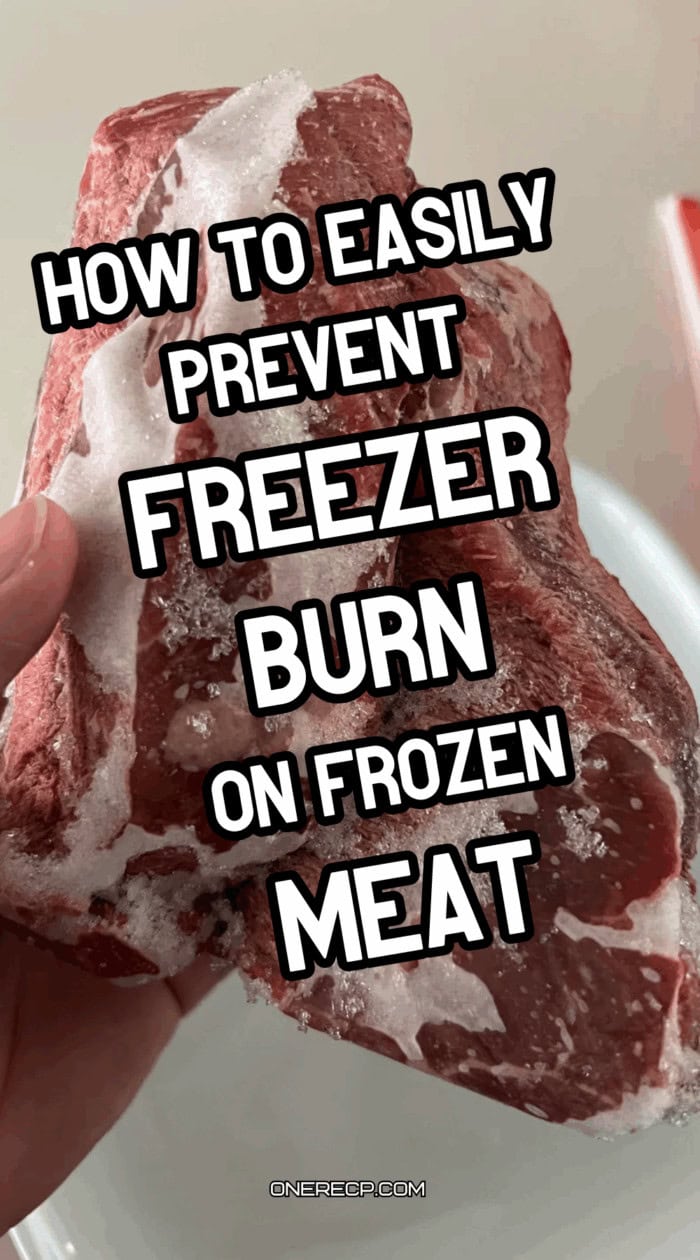
Freezer burn happens when the moisture inside your meat evaporates and forms ice crystals on the surface.
That’s basically dehydration – not a safety issue, but a big flavor and texture problem.
To stop this from happening, you need to keep the cold air away from the food and lock in the moisture as tightly as possible.
Here’s how to do it right, step by step.
1. Wrap meat tightly and double-seal when possible
The number one cause of freezer burn is air exposure.
If you’re freezing meat in its store packaging, it’s not enough.
Those thin trays with plastic wrap are made for short-term refrigeration, not long-term freezing.
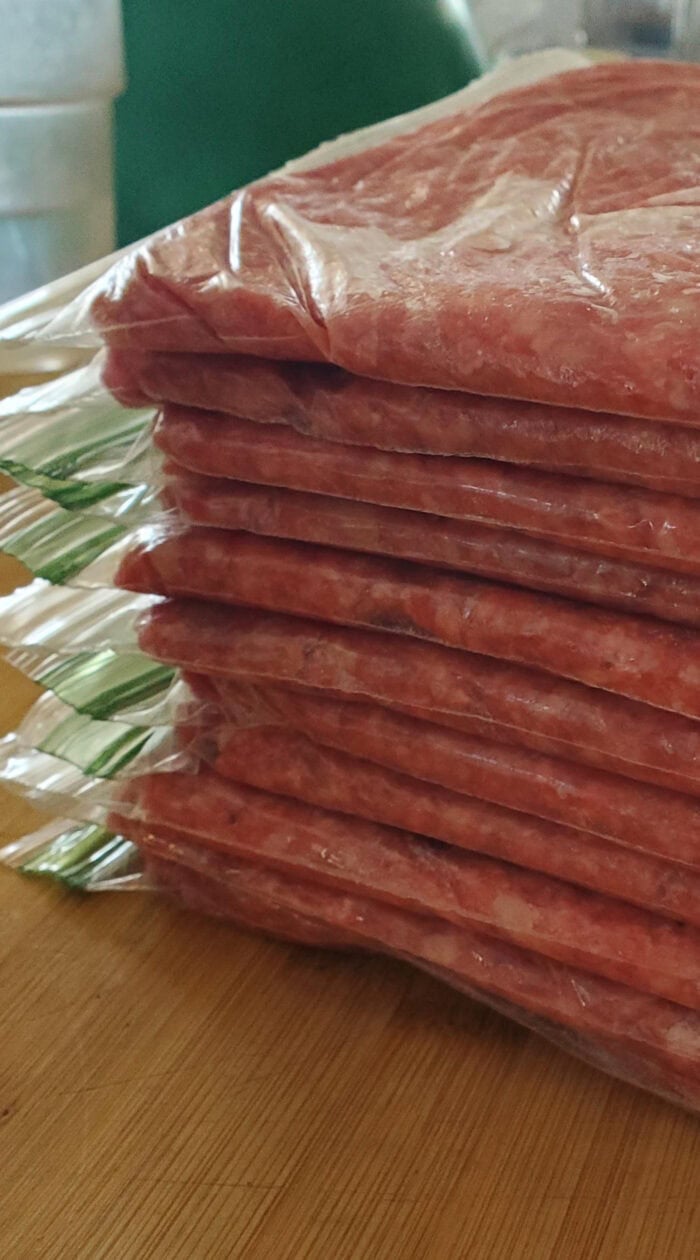
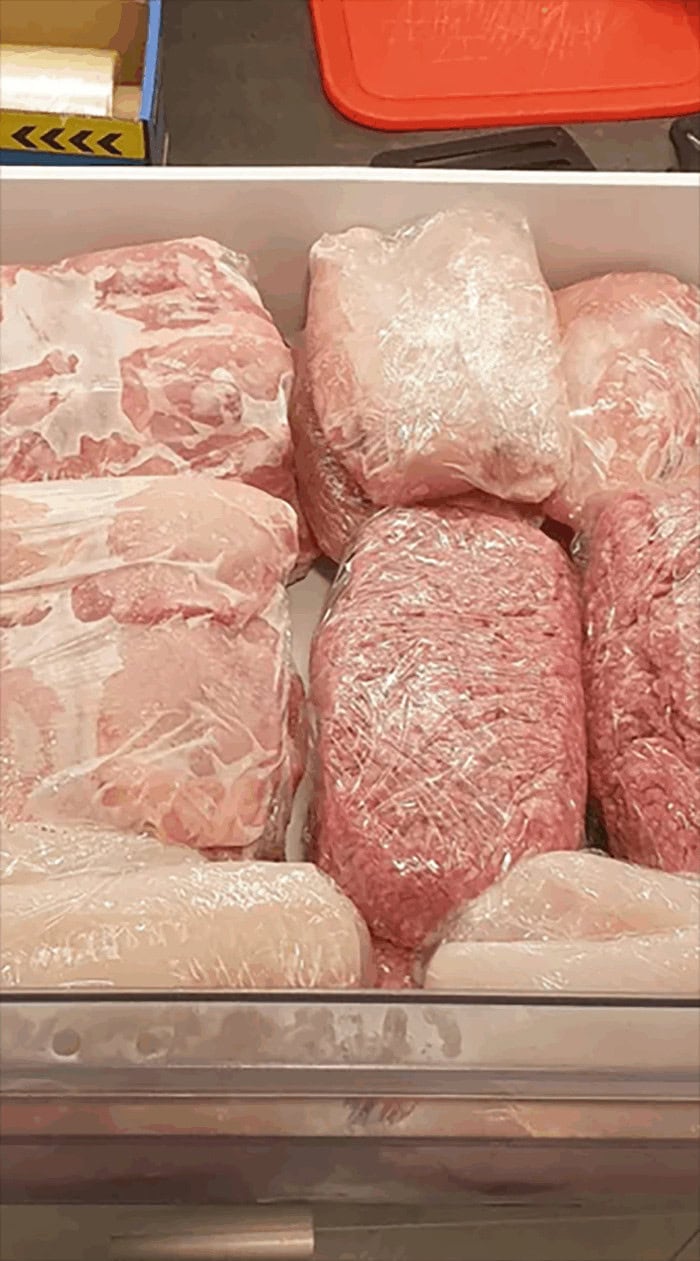
Instead, remove the meat from its original packaging, wrap it tightly in plastic wrap, and then seal it inside a freezer-safe bag or airtight container.
If you can, press out as much air as possible before sealing.
You can even use a straw to suck out the last bit of air for a tighter seal.
For best results, double-seal: first wrap in plastic, then place inside a heavy-duty freezer bag or vacuum-sealed pouch.
2. Use vacuum sealing for long-term storage

If you freeze meat often, a vacuum sealer is a worthwhile investment.
It removes all the air around the meat, which not only prevents freezer burn but also keeps the food fresh for months.
The difference in quality is huge – vacuum-sealed chicken breasts or steaks can stay perfect for up to a year without losing texture or taste.
If you don’t have a vacuum sealer, use the water displacement method: submerge your bag of meat in water (just below the seal) to push out air before sealing.
It’s not perfect, but it works surprisingly well.
3. Label and date everything you freeze

Freezer organization is underrated.
Labeling helps you keep track of how long things have been frozen and ensures you use the oldest items first.
Most meats last between 4 and 12 months in the freezer depending on the cut and packaging.
If you leave something in there too long, even the best wrapping won’t save it from eventual dryness.
4. Keep your freezer cold and consistent
Temperature fluctuations cause condensation and ice buildup – both enemies of frozen meat.
Your freezer should always be set at 0°F (-18°C) or lower.
Avoid overfilling it, as that can block air circulation.
At the same time, a completely empty freezer also struggles to maintain a steady temperature, so try to keep it at least two-thirds full.
If you live in a hot or humid area, try not to open the freezer too often, especially during the summer months.
Every opening lets in warm air, which can refreeze into crystals on your meat later.
5. Cool the meat before freezing
by reddit user Helpful-Ad-2159
Placing warm or freshly cooked meat straight into the freezer causes moisture condensation, which later turns into freezer burn.
Always let your meat cool completely in the fridge before transferring it to the freezer.
This small step makes a surprisingly big difference in texture later.
6. Use freezer-safe materials only
Not all plastic wraps or containers are created equal.
Look for packaging labeled specifically as “freezer-safe” or “freezer-grade”.
These materials are thicker and designed to resist moisture loss and cracking.
Avoid thin sandwich bags – they won’t protect your food long-term.
7. Avoid frequent thawing and refreezing
Every time you thaw and refreeze meat, moisture escapes, and that makes the surface more vulnerable to freezer burn.
If you only need a small portion, separate your meat into smaller packages before freezing.
That way, you can thaw exactly what you need without disturbing the rest.
Once meat has been thawed completely, try to use it within a day or two. Refreezing should always be a last resort.
8. Organize your freezer for efficiency

Keep newer items toward the back and older ones toward the front.
Grouping similar items (like poultry, beef, or fish) makes it easier to find what you need quickly, reducing the time your freezer door stays open.
This helps maintain that steady, protective cold temperature that prevents freezer burn in the first place.
9. Add a layer of protection for delicate cuts
For special cuts like steaks, chops, or ground meat, consider adding a thin layer of olive oil or butter before wrapping.
This helps create an extra barrier against air and locks in moisture even more effectively.
You’ll be surprised how much juicier the meat tastes after thawing and cooking.
Why Freezer Burn Happens and How to Spot It Early
Freezer burn doesn’t happen overnight – it’s a slow process.
It starts when tiny air pockets form inside the packaging and slowly draw out the moisture from the meat’s surface.
That’s why you’ll often notice it first as white or grayish patches, usually along the edges or corners.
These spots may look dry and slightly tough compared to the rest of the meat.
It’s still safe to eat, but the texture won’t be as pleasant, and the flavor might be dull.
To prevent it early, always inspect your frozen meat every couple of weeks.
If you notice even small patches of ice crystals forming, it’s best to cook that meat soon rather than waiting another month.
Common mistakes that lead to early freezer burn:
- Using poor-quality bags or containers: Thin plastic allows air to leak in over time.
- Leaving food in the freezer too long: Even perfectly wrapped meat eventually dries out.
- Not removing air properly before freezing: This is the top reason freezer burn starts.
The earlier you catch these signs, the easier it is to fix your storage habits and save future meals.
Can You Still Use Meat With Freezer Burn?
Yes – but with some limits.
Freezer-burned meat isn’t unsafe, but it won’t taste the same. The dehydrated areas can be tough and flavorless once cooked.
If the freezer burn is only on the surface, trim those dry sections away before cooking.
For soups, stews, or slow-cooked dishes, slightly freezer-burned meat can still be perfectly fine because it rehydrates a bit during cooking.
However, if the entire piece looks grayish or feels overly dry, it’s better to discard it. The texture just won’t recover.
Other helpful tips to salvage freezer-burned meat:
- Marinate it overnight. Acidic or oil-based marinades can soften dry areas and restore flavor.
- Use it in dishes with plenty of liquid. Think chili, curry, or casseroles.
- Avoid grilling or pan-searing. Dry-heat cooking methods make the texture worse.
Freezer burn doesn’t have to mean wasted food – just a little creativity in the kitchen can turn it around.
How Long Can You Store Meat Without Getting Freezer Burn?
How long frozen meat lasts before freezer burn depends on what kind it is and how well you’ve packed it.

These times assume your meat is properly sealed and your freezer stays at a consistent temperature.
If you notice the texture starting to change or crystals forming, try to cook it sooner rather than later.
Extra ways to extend storage time:
- Keep meat in the coldest section – usually the back or bottom of the freezer.
- Avoid door shelves, since those areas warm up slightly every time you open the freezer.
- Freeze meat in meal-sized portions to reduce unnecessary thawing cycles.
Following these steps won’t just keep your food safe – it’ll also help it taste as good as the day you froze it.
Final Thoughts
Freezer burn can feel like an unavoidable kitchen problem, but it’s actually one of the easiest ones to solve once you know the causes.
By controlling air exposure, maintaining a steady temperature, and using the right materials, you can keep your frozen meat fresh for months without losing quality.
Think of your freezer as a tool that preserves – not ruins – your ingredients.
With a little attention, it’ll do its job perfectly.
The next time you stock up on meat, follow these simple steps and you’ll see the difference.
Your frozen cuts will stay juicy, flavorful, and ready for any recipe – all without worrying about freezer burn on your frozen meat.