If you’ve ever stood over the sink squeezing lemons or peeling oranges and felt a tiny bit guilty about throwing the peels away, this article is for you.
Citrus peels are one of those kitchen leftovers that look useless at first glance, but quietly hold a lot of potential.
I’ve noticed that they’re also one of the scraps people feel oddly unsure about using, even though they’re surprisingly forgiving once you start experimenting.
They’re aromatic, packed with natural oils, and surprisingly versatile once you stop seeing them as waste.
This guide on how to use up citrus peels in creative ways is meant to help you slow down that reflex to toss them and instead turn them into something genuinely useful, beautiful, or even comforting.
You don’t need special equipment, obscure ingredients, or a “zero-waste lifestyle” label to make this work.
Most ideas here fit easily into normal routines and reward you with better smells, better flavors, and a small sense of cleverness.
I’ve focused on options that feel realistic rather than performative, because sustainability only sticks when it’s practical.
By the end, you’ll have several go-to ways to reuse citrus peels that actually feel worth the effort.
How to Use Up Citrus Peels in Creative Ways That Actually Work
The easiest way to start using citrus peels is to stop treating them as scraps and start treating them as a raw ingredient.
Once you do that mental shift, a lot of doors open.
In practice, the ideas that stick tend to be the ones that fit easily into your routine rather than the most ambitious ones.
Different citrus fruits behave slightly differently, but lemons, oranges, limes, grapefruits, and mandarins all share similar core uses.
Below are the most practical, repeatable, and rewarding ways to put them to work.
Make Citrus-Infused Sugar or Salt
This is one of my favorite uses because it feels luxurious but requires almost no effort.
Fresh citrus peels can be finely grated or dried and mixed into sugar or salt to create a fragrant pantry staple.
Citrus sugar works beautifully in baking, tea, cocktails, or even sprinkled lightly over yogurt.
Citrus salt adds brightness to roasted vegetables, fish, chicken, and salad dressings.
I find that orange pairs especially well with sugar, while lemon and lime shine with salt.
To do this well, make sure the peels are free of bitter white pith and completely dry before storing.
From experience, even a small amount of lingering moisture can dull the flavor instead of enhancing it.
Create Natural Cleaning Solutions
Citrus oils naturally cut through grease and leave a clean, fresh scent behind.
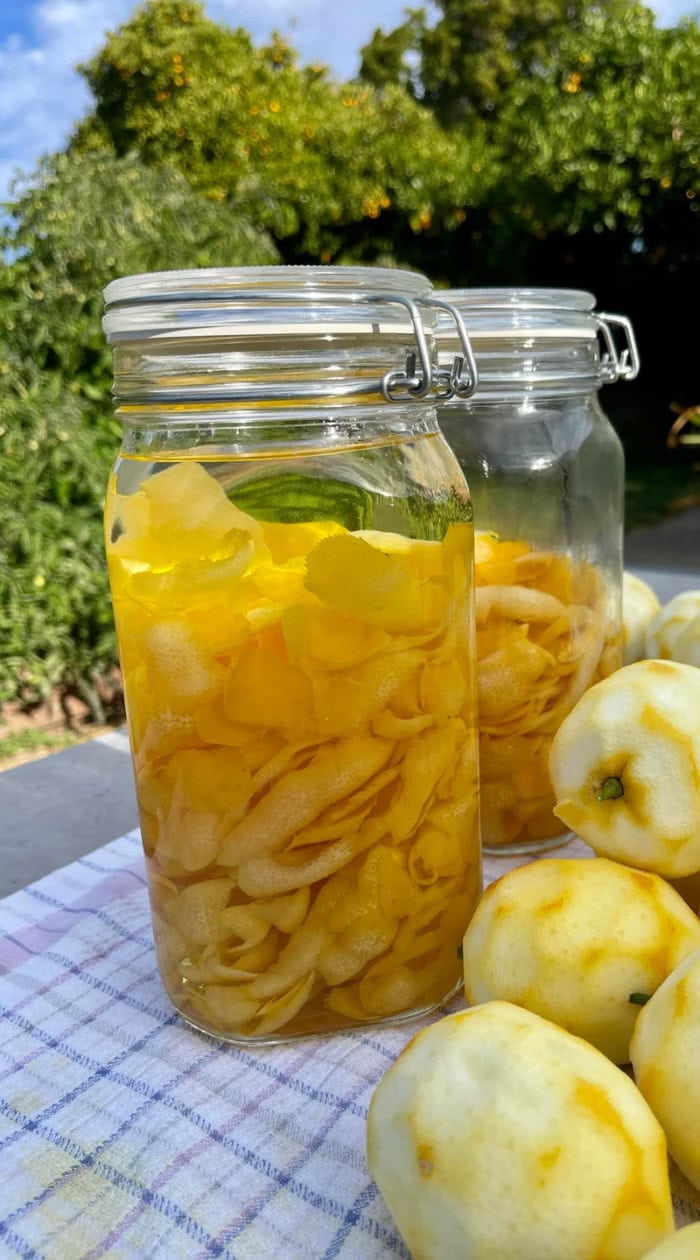
Soaking peels in white vinegar for a few weeks creates an effective all-purpose cleaner.
The result smells far better than plain vinegar and works just as well on countertops, sinks, and stovetops.
I like this option because it turns cleaning into something that feels less harsh and more intentional.
Just remember not to use citrus vinegar on natural stone surfaces like marble.
Dry Peels for Tea or Simmer Pots
Dried citrus peels can be used long after the fruit itself is gone.
They add brightness to herbal teas and depth to simmer pots that gently scent your home.
Orange peels pair well with cinnamon and cloves, while lemon works beautifully with herbs like rosemary or thyme.
This is one of those uses that feels quietly comforting, especially in colder months.
Make Homemade Citrus Powder
Once citrus peels are fully dried, they can be ground into a fine powder.
This powder concentrates flavor and aroma in a way fresh peel can’t.
It’s excellent for baking, spice blends, rubs, and even homemade skincare recipes.
I like keeping a small jar of lemon powder on hand because it adds brightness without extra moisture.
Flavor Oils, Honey, or Alcohol
Citrus peels infuse beautifully into fats and liquids.
You can steep them in olive oil, honey, vodka, or simple syrup to capture their aroma.
These infusions feel special but are surprisingly easy to make.
They also make thoughtful homemade gifts if you enjoy that sort of thing.
Just be mindful of moisture and storage times to avoid spoilage.
Use Peels in Baking and Cooking
Many recipes already call for zest, but whole peels can go further.
Candied citrus peels are a classic for a reason, adding both texture and bitterness-balanced sweetness.
Peels can also be simmered into syrups, jams, and marmalades.
If you cook meat or legumes, adding citrus peel during simmering can subtly lift heavy flavors.
Freshen Your Home and Closet
Citrus peels don’t need to be edible to be useful.
Dried peels placed in small cloth bags work as natural air fresheners.
They’re especially nice in closets, drawers, or near shoes.
This is one of the least demanding ways to use peels, and one of the most immediately satisfying.
Creative Ways to Use Citrus Peels Without Cooking

by reddit user Late_Training309
Not every reuse idea needs to happen in the kitchen.
In fact, some of the most enjoyable uses skip food entirely.
This section focuses on ways to use citrus peels when you’re not in the mood to cook or bake.
Turn Peels Into Natural Candles or Fire Starters
Dried citrus peels burn surprisingly well due to their oil content.
Orange halves can even be turned into simple candles with a bit of oil and a wick.
Dried peels also make excellent fire starters for fireplaces or outdoor fires.
They smell wonderful and light easily.
Make Simple DIY Beauty Treatments
Citrus peels are sometimes used in gentle scrubs and masks.
I tend to be cautious with citrus on skin or delicate surfaces, because the oils are potent and a little really does go a long way.
Dried peel powder mixed with honey or yogurt creates a brightening exfoliant.
I recommend keeping this occasional and gentle, especially for sensitive skin.
Natural doesn’t always mean harmless, and citrus can be strong.
Add to Garden Compost or Pest Deterrents
Citrus peels compost well when chopped into smaller pieces.
They can also deter certain pests when placed strategically in the garden.
While not a miracle solution, they’re a useful addition rather than waste.
How to Store Citrus Peels for Later Use
One of the most common questions people ask is how to keep citrus peels before using them.
Fresh peels don’t last long unless you prepare them properly.
If you plan to use them later, drying or freezing is the safest option. If you work with lemons often, learning how to preserve fresh lemon zest can make these methods even easier to rely on long term.
Drying Citrus Peels
Peels can be air-dried, oven-dried, or dehydrated.
Air-drying takes longer but preserves aroma gently.
Oven-drying is faster but requires low heat and attention.
Fully dried peels should snap cleanly and show no moisture.
Freezing Citrus Peels
Freezing works well if you plan to use peels for cooking or infusions.
Store them in airtight containers or freezer bags.
Frozen peels are especially useful for zesting later.
Avoid Mold and Bitterness
Always remove as much white pith as possible.
Moisture is the main cause of spoilage, so dryness matters.
If peels smell musty or sour, they’ve gone too far.
Are Citrus Peels Safe to Use?
This is an important question, and it deserves a clear answer.
Citrus peels are generally safe, but how they’re grown and handled matters.
Conventionally grown citrus often has pesticide residue on the peel.
If you plan to eat or infuse peels, washing thoroughly is essential.
Organic citrus is a better choice for edible uses.
When in doubt, reserve non-organic peels for cleaning or scenting rather than food.
Additional questions people often ask:
- Can you eat citrus peels raw?
Raw citrus peels are edible but very bitter.
They’re better processed through candying, drying, or infusing. - Do citrus peels have health benefits?
They contain fiber, antioxidants, and essential oils.
Most benefits come from small amounts rather than large consumption. - Which citrus peels are best to start with?
Oranges and lemons are the most forgiving and versatile.
Grapefruit peels are more bitter and need careful handling.
In the end, learning how to use up citrus peels isn’t about perfection or zero waste points.
It’s about noticing value where you didn’t before.
Once you build the habit, these small choices stack up in satisfying ways.
And if nothing else, your kitchen will smell better while you figure out your favorite creative way to use up citrus peels.