Keeping lettuce fresh shouldn’t feel like a race against the clock, but somehow it ends up being one of those tasks that never quite goes right.
You buy a gorgeous head of lettuce, tuck it into your fridge, and before you know it the leaves look tired, damp, and nothing like what you had in mind for dinner.
That’s why learning how to keep lettuce crisp in the fridge can honestly change the way you prep your meals for the week.
Once you get a handle on what ruins lettuce in the first place, the fix becomes surprisingly doable.
A few small changes in the way you wash it, dry it, and store it can stretch its life way longer than you’re probably used to.
If you’ve ever opened a container expecting crisp salad greens only to find something dull and soggy, trust me, you’ll breathe easier after reading this.
By the end, you’ll know how to store lettuce so it stays crunchy, hydrated, and ready whenever you are – without babysitting it or tossing half of it by midweek.
How to Keep Lettuce Crisp in the Fridge: Essential Tips
The real key to crisp lettuce?
Moisture control.
Not zero moisture, not too much moisture – just the right amount in the right place.
It sounds oddly delicate, but once you see what a difference it makes, you’ll never go back.
I always start by removing any leaves that already look a little sad.
One limp leaf can take the whole batch down with it, and it happens faster than you’d think.
Then I rinse the rest under cool water – cool seems to wake the leaves up without stressing them.
Drying is where most people accidentally sabotage their lettuce.
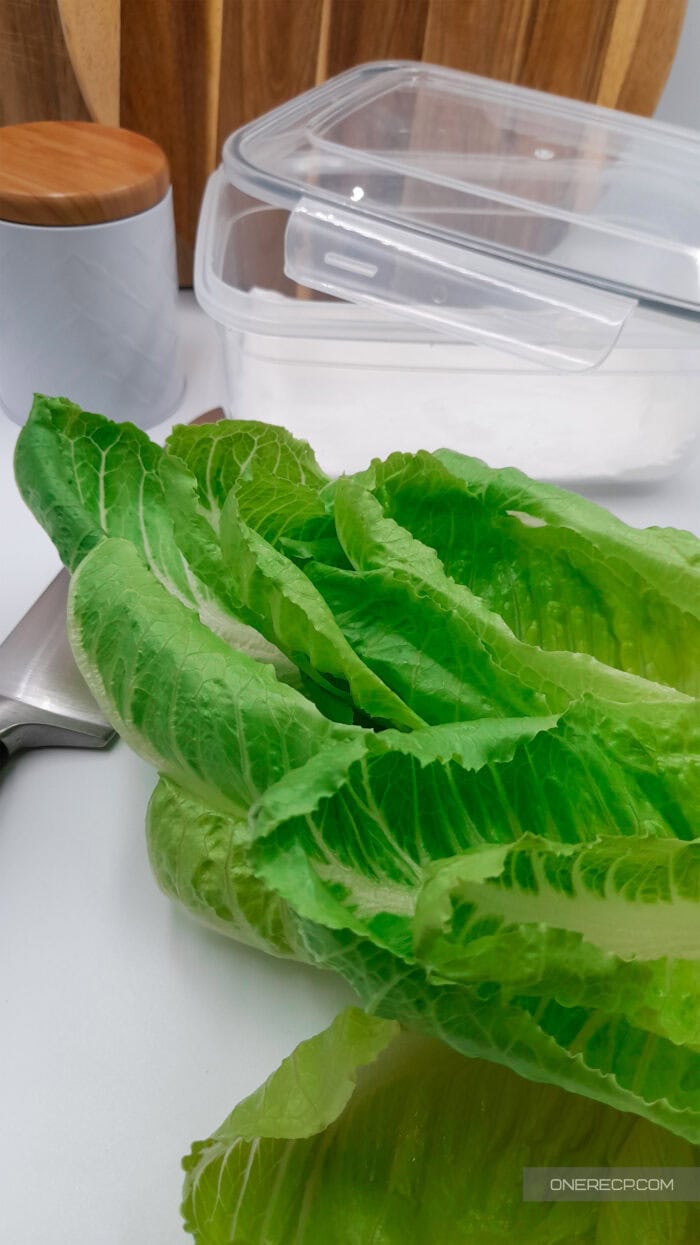
If the leaves go into the fridge even slightly wet, the moisture clings and creates that dreaded sliminess.
A salad spinner works best here because it dries quickly without bruising.
If I wash more lettuce than fits inside, I spread the extra on clean kitchen towels and let the air do some of the work.
After the lettuce is mostly dry, I switch to giving it the environment it prefers.
The fridge temperature is fine, but the humidity varies depending on the shelf.
Loose leaves do best in a container lined with paper towels.
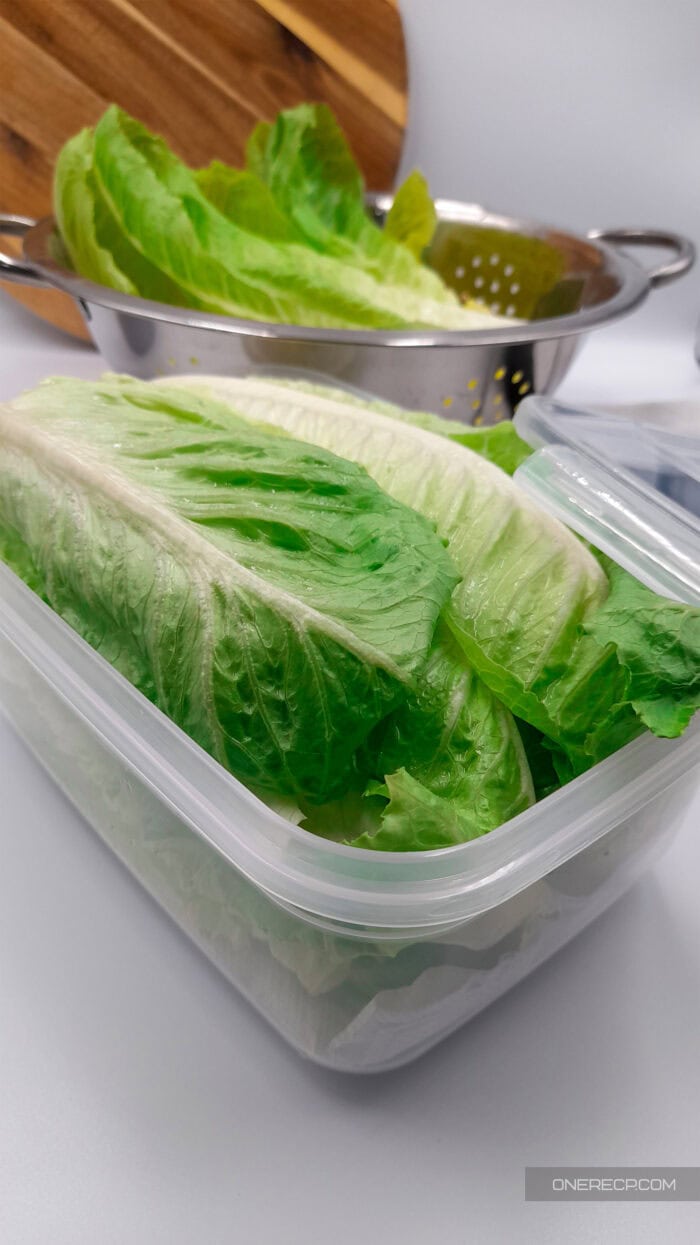
I add a towel on the bottom, arrange the lettuce inside, and place another towel on top before closing the lid.
Those towels aren’t just nice to have.
They soak up the extra moisture that would usually cling to the leaves and break them down.
If you use plastic bags instead, try the kind with tiny air holes, or just leave the seal slightly open.
The bit of airflow prevents that clammy buildup that causes wilting.
When lettuce starts to lose its spark – you know, that moment when it still looks edible but not inspiring – I revive it with ice water.
Just a few minutes is enough for the leaves to plump up again.
Dry well afterward, though, or you’ll undo the rescue you just pulled off.
Whole heads last longer than pre-cut lettuce, mostly because their moisture stays sealed inside until you need it.
If you have the space, store lettuce whole and tear off leaves as you go.
You’ll get a lot more mileage from it that way.
Steer clear of keeping lettuce next to apples, bananas, or tomatoes.
These release ethylene gas, which speeds up aging and makes lettuce wilt way too fast.
I’ve watched perfectly good greens fade in a day just because they sat next to the wrong produce.
Also, watch out for the coldest areas of your fridge.
The back can get frosty, and lettuce does not appreciate a frozen edge.
The middle shelves or the crisper drawer work better and give you more predictable results.
And if you’re meal-prepping salads, keep the dressing far, far away until it’s time to eat.
Even the crunchiest lettuce melts into a sad little heap under early dressing.
How Long Does Lettuce Last When Stored This Way?
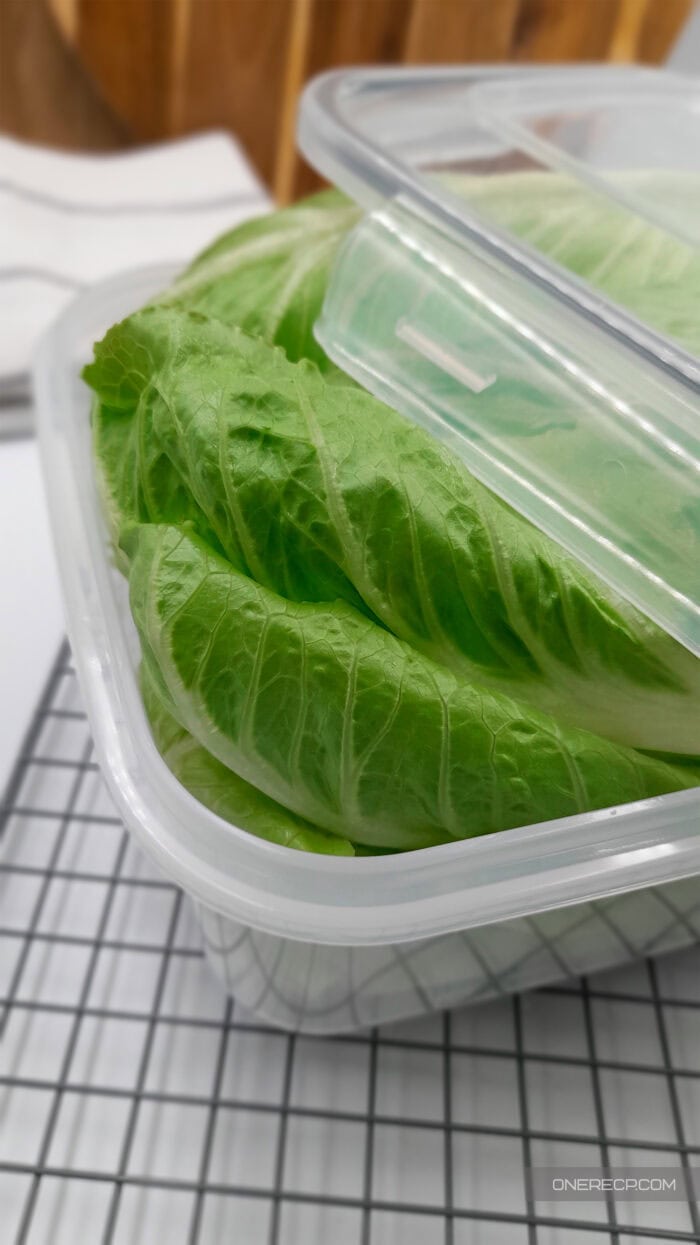
When you follow the moisture-balance method, lettuce usually stays crisp for 7 to 10 days.
Romaine tends to last the longest, while softer varieties like butter lettuce may need a bit more attention.
Checking the paper towels every couple of days helps too – if they feel damp, replace them and your lettuce stays fresh even longer.
Here are a few related questions you might be wondering about:
- Should you wash lettuce before storing it?
Either is fine, as long as you dry it thoroughly if you wash it first.
If you skip the wash, just keep the head intact until you’re ready to prep. - Can lettuce be stored with other vegetables?
Yes, as long as they aren’t ethylene-producing.
Cucumbers, celery, and carrots are totally safe neighbors. - Does vacuum sealing help?
It can, but it’s easy to crush delicate leaves.
Lettuce usually prefers breathable spaces instead of airtight compression.
Best Ways to Store Lettuce for Easy Meal Prep
Meal prepping with lettuce can be a bit tricky because the leaves bruise easily, but with the right methods, you can make it work beautifully.
I like using wide, shallow containers instead of deep ones so the leaves aren’t packed down and crushed.
Layering towels inside gives you that buffer that keeps everything from turning damp halfway through the week.
Mason-jar salads are another great option if you like grab-and-go meals.
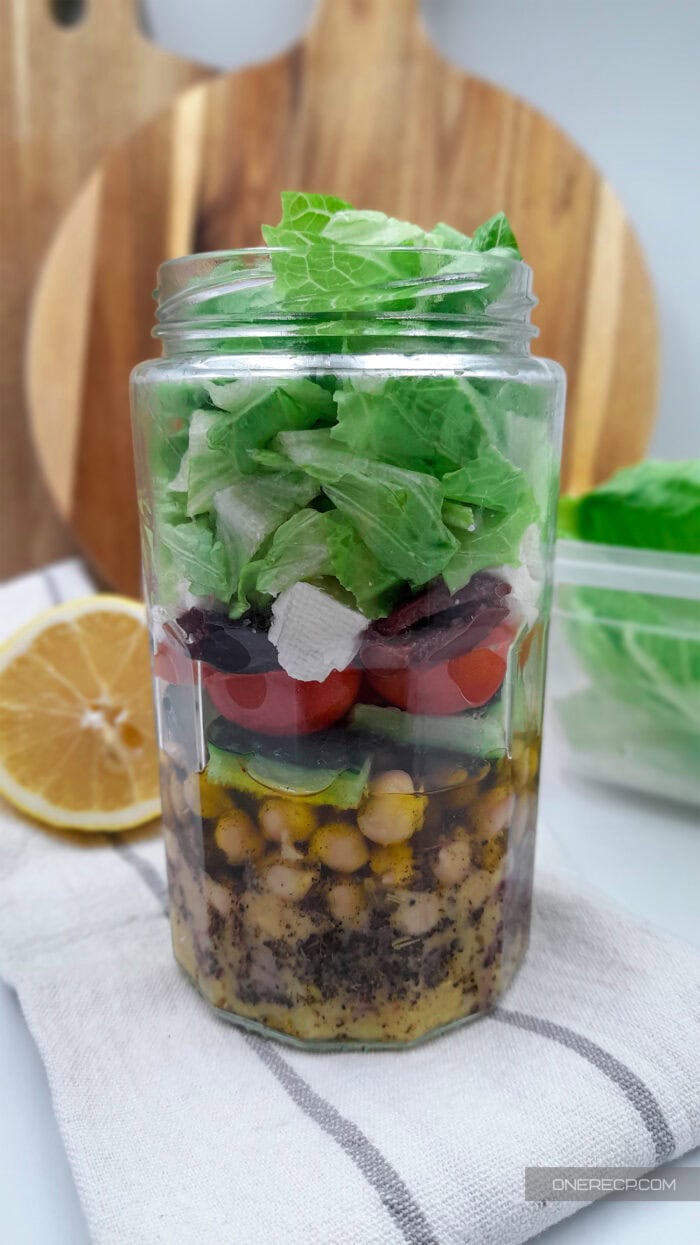
Just layer the heartier veggies at the bottom – carrots, cabbage, or bell peppers – and keep the lettuce at the top so it stays dry.
Seal the jar, tuck it into the fridge, and it stays crisp far longer than you might expect.
If you’re chopping lettuce ahead of time, be aware that it browns faster because the cut edges are exposed to oxygen.
Ripping by hand actually keeps it fresher, even if it feels a little old-school.
Those uneven edges oxidize more slowly, which buys you extra days of good-looking greens.
A few more questions meal-preppers often ask:
- Can you store lettuce in water?
For whole heads, yes.
Just place the base in a little water like you would with herbs, but don’t forget to change the water daily. - Are cloth bags good for lettuce?
They can be great for whole heads, especially if you add a dry towel inside.
They let the lettuce breathe without trapping unwanted moisture. - Is iceberg the easiest for meal prep?
Definitely.
It naturally holds its texture longer, though romaine usually feels more flavorful and satisfying in salads.
Keeping lettuce crisp becomes much easier once you understand these small habits that protect its moisture levels and keep it from wilting.
Try a couple of the methods above and you’ll see how much longer your greens last – especially once you get the hang of storing crunchy lettuce properly.