Somewhere between last night’s pasta dishes and this morning’s coffee mugs, your sponge turned from a cleaning hero into a bacteria hotel.
That sour smell creeping up from the sink is your not-so-subtle warning sign.
Luckily, I’ve figured out how to keep kitchen sponge from smelling with just a few small habits and a touch of consistency – and trust me, it’s totally doable.
Once you start doing these tiny changes, your kitchen situation can be completely saved.
In this guide, I’ll show you exactly how I keep my sponge fresh, clean, and completely odor-free, no matter how many dishes pile up.
How to Keep Kitchen Sponge from Smelling: Proven Freshness Hacks
A smelly kitchen sponge usually means bacteria are having a party – and trust me, it’s not the kind of party you want to host.
These little microbes thrive in damp, dark environments, especially ones soaked with food particles and grease.
To stop sponge smell before it starts, you have to make your sponge a place bacteria don’t want to live.
Here’s how to keep dish sponges clean and odor-free step by step.
1. Rinse and squeeze after every use
Sounds simple, but it’s where most people slip up.
After washing dishes, rinse your sponge under warm running water (not hot) to remove food and soap residue.
Then, squeeze it as dry as possible.
Leaving it soaking wet is like leaving out an all-you-can-eat buffet for bacteria.
Place it somewhere with good air circulation – never leave it sitting in a puddle of water or in the sink.
2. Give it a daily disinfecting bath
Once a day, show your sponge some extra love.
You can microwave it for about one minute (make sure it’s damp first, or it could catch fire).
Alternatively, soak it in a mixture of one part vinegar to two parts water for a few minutes.
Vinegar naturally helps disinfect kitchen sponges, killing odor-causing bacteria safely and effectively.
3. Rotate between two sponges
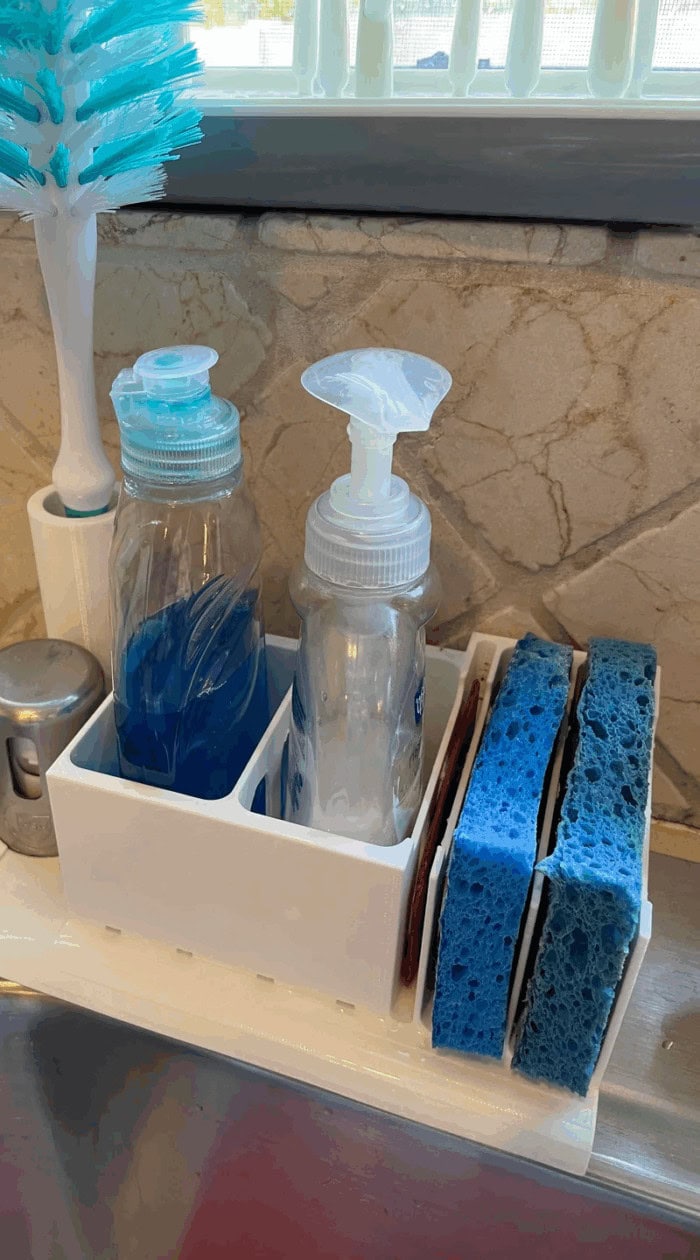
Using one sponge nonstop is like wearing the same shirt for a week straight – it’s going to smell.
Keep two on hand and alternate between them daily.
While one dries completely, the other does the cleaning.
This drying time is key – it stops bacteria from multiplying.
4. Avoid cross-contamination
One of the biggest reasons sponges smell fast is because they pick up too much “stuff”.
Don’t use the same sponge for raw meat spills and regular dishwashing.
Assign one for dishes and one for countertops or messes involving meat or dairy.
If you accidentally do, disinfect it immediately afterward.
5. Try salt or baking soda overnight
If you notice your sponge starting to develop a mild odor, soak it overnight in a saltwater or baking soda solution.
Both draw out moisture and kill bacteria naturally.
In the morning, rinse well and let it dry.
This trick can extend your sponge’s life by days and help prevent sponge odor.
6. Let it dry completely
This one’s underrated but essential.
The bacteria that cause odor can’t thrive in dry environments.
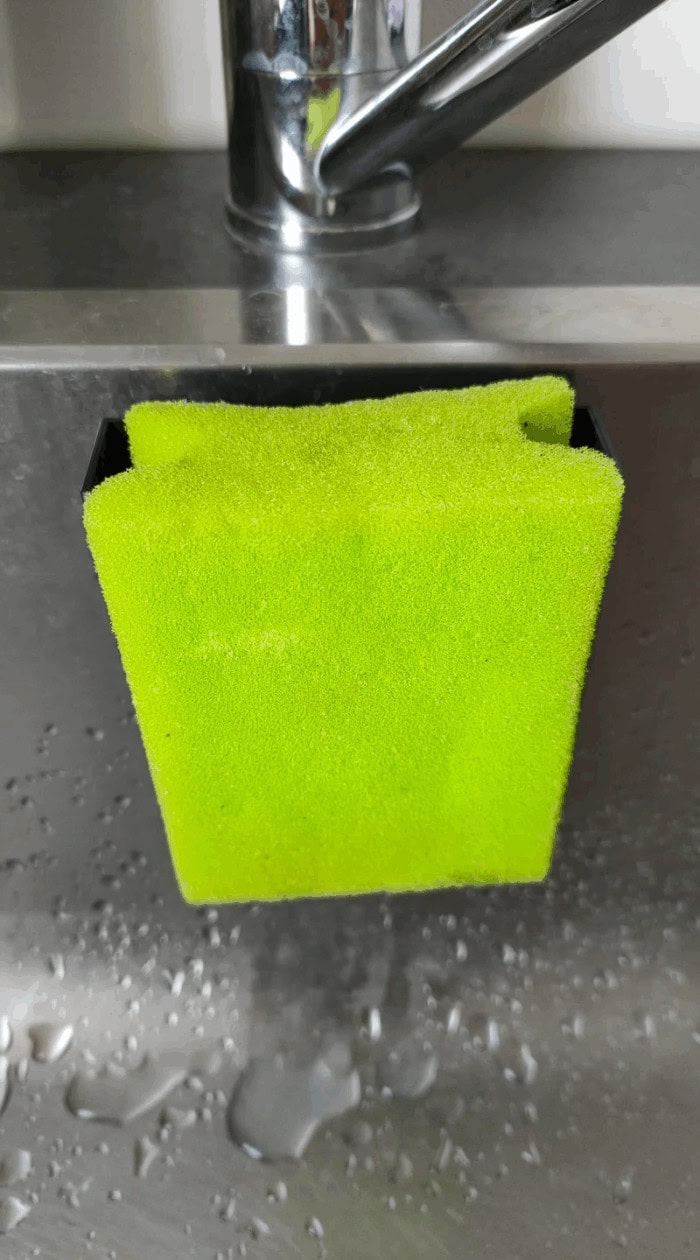
Try keeping your sponge in a well-ventilated rack or even clip it upright with a binder clip on the sink edge – it helps it dry faster and keeps it out of standing water.
7. Replace it often
Even with all the tricks in the world, no sponge lasts forever.
A good rule of thumb: replace it every 1–2 weeks, or sooner if it starts to look grimy or slimy.
If you cook often, your sponge will need replacing more frequently.
Think of it like toothbrushes – when in doubt, toss it out.
8. Use antibacterial sponges or silicone scrubbers
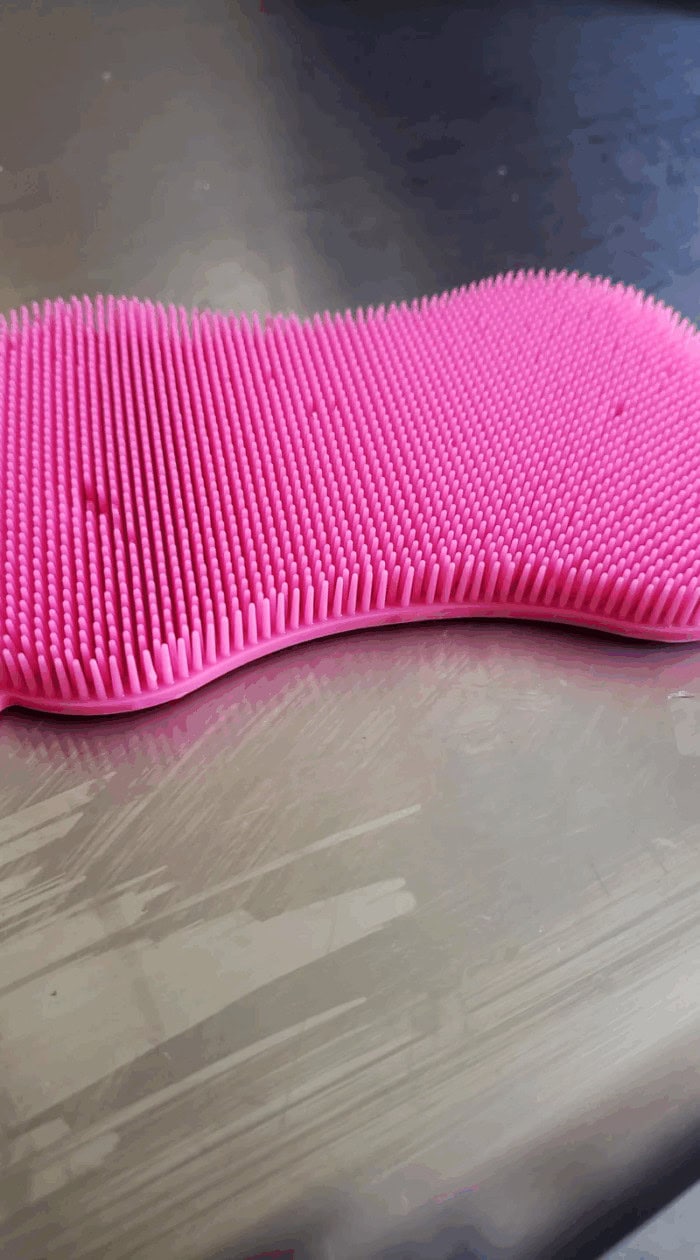
If you’re tired of replacing sponges so often, consider switching to a silicone scrubber.
These dry faster, harbor fewer bacteria, and don’t absorb odors the same way regular sponges do.
They’re also dishwasher-safe, which makes cleaning them effortless.
9. Wash it in the dishwasher
Pop your sponge in the top rack with your dishes once a day.
The combination of heat and detergent will kill most bacteria.
Just make sure to remove any metal parts or scrubbers that could rust.
10. Store it smartly
How and where you store your sponge matters more than you think.
Keep it away from the sink drain and garbage disposal – those are bacteria hot zones.
Use a small tray or sponge holder that drains well and stays dry.
If possible, give it some sunlight. Even indirect light can help prevent that damp smell.
11. Bonus: Add essential oils for freshness
A few drops of tea tree or lemon essential oil not only make your sponge smell cleaner but can also add mild antibacterial benefits.
Just make sure to rinse it before using it on dishes again, so you don’t get oily residue on your plates.
Why Do Kitchen Sponges Smell So Fast?

by reddit user VoraciousReader59
If you’ve ever wondered why that odor creeps in so quickly, the answer lies in moisture and food particles.
Sponges soak up everything – from soap residue to bits of food – and then sit in a warm, damp place.
That environment is perfect for bacteria to multiply and release sulfur compounds, which is the same thing that makes rotten eggs smell bad.
Even after one use, millions of bacteria can grow in a single sponge.
That’s why it’s crucial to disinfect it daily and give it time to dry completely.
Other common causes include:
– Too much soap buildup. The leftover detergent actually traps moisture and food particles, which feeds bacteria.
– Improper storage. Leaving it flat in the sink keeps it wet longer, accelerating odor.
– Rarely cleaning it. A sponge that’s never disinfected is basically a petri dish.
If your sponge smells like mildew or sour milk, it’s already beyond saving – replace it immediately.
What to Do If Your Sponge Already Smells
If you caught the smell early, you might still have time to save it.
Here’s how to deodorize and sanitize it fast.
Step 1: Soak it in vinegar
Fill a bowl with vinegar and soak your sponge for 5–10 minutes.
Rinse it thoroughly, then let it dry completely.
This works well for mild odors.
Step 2: Microwave it
For stronger smells, microwave your damp sponge for 1 minute on high.
The heat kills 99% of bacteria and helps stop sponge smell fast.
Just make sure it’s microwave-safe and damp – never dry.
Step 3: Wash it in the dishwasher
Run it through a hot cycle with your dishes.
This is one of the easiest and safest methods for routine cleaning.
Step 4: When in doubt, replace it
If the smell doesn’t go away after cleaning, don’t try to rescue it.
Once bacteria produce that strong odor, it’s almost impossible to remove completely.
It’s better to start fresh than risk spreading germs around your kitchen.
Additional questions people often ask:
- Can I use bleach to clean my sponge? Yes, but with caution. Mix 3/4 cup bleach in a gallon of water and soak the sponge for 5 minutes. Rinse thoroughly. It’s effective, but harsh and can degrade the sponge quickly.
- How long do bacteria live on sponges? They can survive for days, even weeks, depending on moisture and food buildup. That’s why drying your sponge is the most important step.
- Should I switch to dishcloths instead? Dishcloths are great if you wash them daily, but they can also harbor bacteria if left damp. It’s all about consistent cleaning.
How to Prevent Smelly Sponges in the Future

by reddit user Different_Ad9703
Once you’ve got a clean, fresh-smelling sponge, keeping it that way is all about consistency.
Here’s how to build a low-effort routine that keeps odors away for good.
1. Create a cleaning schedule
It doesn’t have to be complicated – just make it a habit.
Disinfect daily (microwave or vinegar soak), deep clean every 2–3 days (dishwasher), and replace every 1–2 weeks.
When it becomes part of your routine, you won’t even have to think about it.
2. Switch between cleaning tools
Use a sponge for dishes, a separate scrub brush for pans, and a cloth for wiping counters.
That way, each item stays cleaner longer.
Less cross-use equals fewer smells.
3. Keep your sink area dry
After washing dishes, wipe down the sink area.
That excess moisture hanging around is exactly what keeps your sponge damp.
A dry environment discourages bacterial growth, period.
4. Store extras properly
If you buy sponges in bulk, store the unused ones in a cool, dry drawer – not under the sink where humidity can ruin them before you even use them.
5. Bonus tip: Try compostable sponges
Eco-friendly sponges made from natural fibers like cellulose dry faster and tend to hold less odor than synthetic ones.
They’re also biodegradable, so you can toss them guilt-free when they start to wear out.
Keeping your kitchen sponge clean might not sound glamorous, but it’s one of those small habits that makes a big difference in how fresh your kitchen feels.
Once you get into the rhythm, you’ll never go back to wondering why your sponge smells – it simply won’t.
And that’s the secret to a kitchen that looks, feels, and smells truly clean – starting with knowing how to keep your sponge fresh and odor-free every single day.
In other words, you’ve officially learned how to stop your kitchen sponge from smelling for good.