Every time I zest a lemon, I always feel like I’m tapping into some sort of magic – like, this is the stuff that actually makes your lemon bars sing or your pasta pop.
But let’s be honest, most recipes don’t use all the zest from a lemon, and tossing it out feels borderline criminal.
So if you’re here because you’ve got a pile of golden shavings and no clue what to do with them – welcome.
This guide on how to preserve fresh lemon zest is gonna save your flavor-packed scraps and your future self some serious citrus joy.
I’ll show you how to store that precious zest properly so you don’t have to re-zest a lemon every single time a recipe calls for just a teaspoon.
From freezer hacks to shelf-stable solutions, I’ve got you covered.

How to Preserve Fresh Lemon Zest the Right Way
First things first – lemon zest is delicate.
It’s not like a wedge of lemon that can just chill in the fridge for days.
Those tiny strands of fragrant peel lose their punch fast when left out in the open air, which is why preservation is kinda crucial if you want to keep that citrus sparkle going.
There are several solid methods you can use to preserve lemon zest, depending on how long you want it to last and how you plan to use it later.
Let’s break it down.
1. Freeze It (The MVP Method)
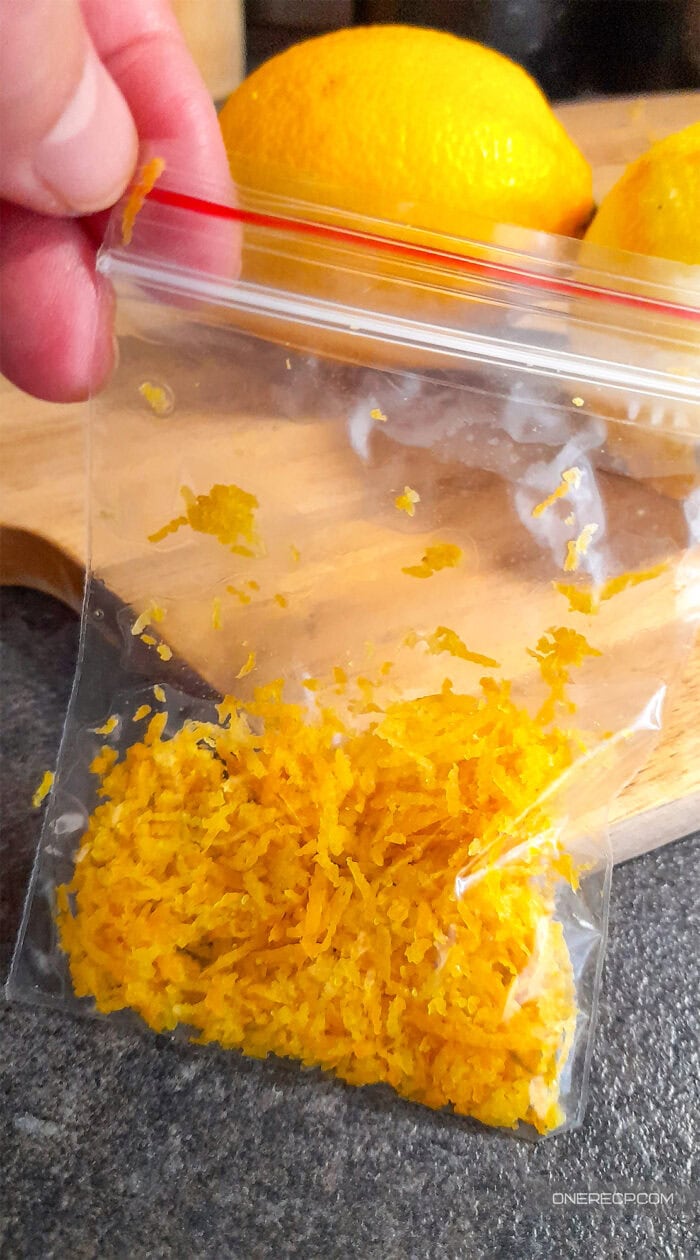
Freezing is probably the easiest and most effective way to preserve fresh lemon zest without losing too much flavor or aroma.
Grab an airtight container or even a little zip-top bag, toss your zest in there, and pop it in the freezer.
That’s it.
No need to pre-freeze it on a tray or anything – just press it down a little to remove any air pockets.
If you want to be extra organized, portion it out by teaspoons so you can scoop and go later.
You’ll be surprised how potent frozen zest can stay for months.
And when you’re ready to use it, there’s no thawing needed – just sprinkle it straight into whatever you’re cooking or baking.
2. Mix It with Sugar (Or Salt!) for Instant Flavor Boosters
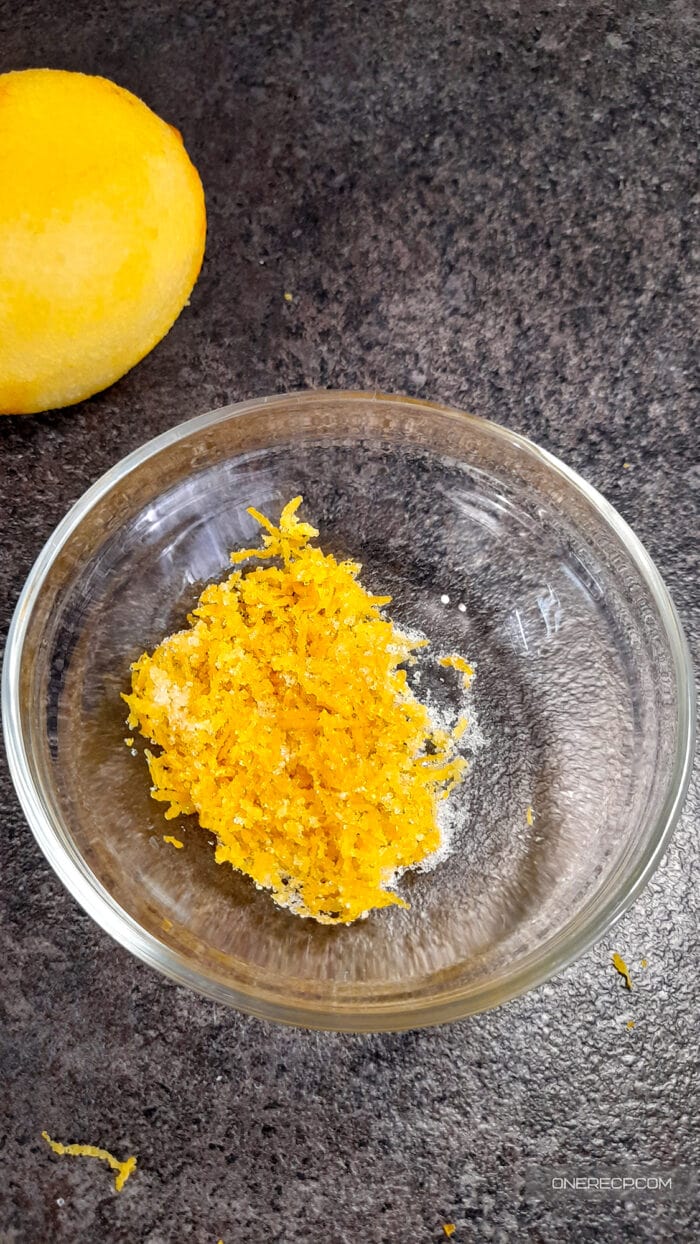
Okay, this one is kinda genius and makes you feel like a real kitchen witch.
Mix your fresh lemon zest with granulated sugar or flaky salt, then store the mixture in an airtight jar.
The zest infuses the sugar or salt with its essential oils, giving you a flavored ingredient you can use in tons of ways.
Zesty sugar? Use it in tea, on muffins, or to rim a cocktail glass.
Zesty salt? Sprinkle it on roasted veggies or grilled fish.
Just make sure the zest is dry before mixing, or the sugar/salt could clump.
You can dry the zest by spreading it out on a paper towel for about 15-30 minutes before combining.
Stored this way, it can last for weeks or even longer without losing its character.
3. Dry It for Long-Term Shelf Storage
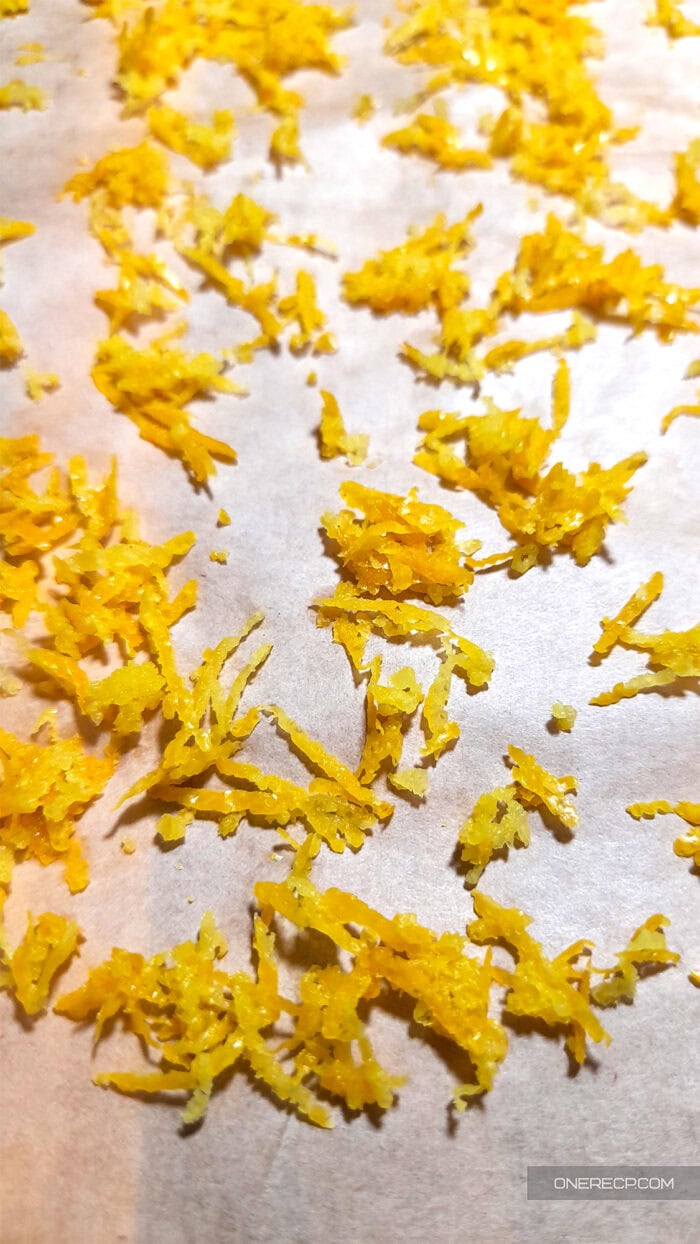
If you’re more of a “set it and forget it” kind of person, drying is your jam.
Spread the fresh zest on a plate or parchment paper and let it air dry for a day or two until it’s completely crisp.
Then store it in a small glass jar or spice container – bonus points if you label it with the date.
You can also dry lemon zest in a low-temp oven (200°F or less) for about 30 minutes, or use a dehydrator if you have one.
This dried version won’t pack quite the same punch as fresh or frozen zest, but it’ll still add brightness to baked goods or spice blends.
Just be aware that dried zest tends to lose its oils over time, so try to use it within six months for the best flavor.
4. Make Lemon Zest Cubes
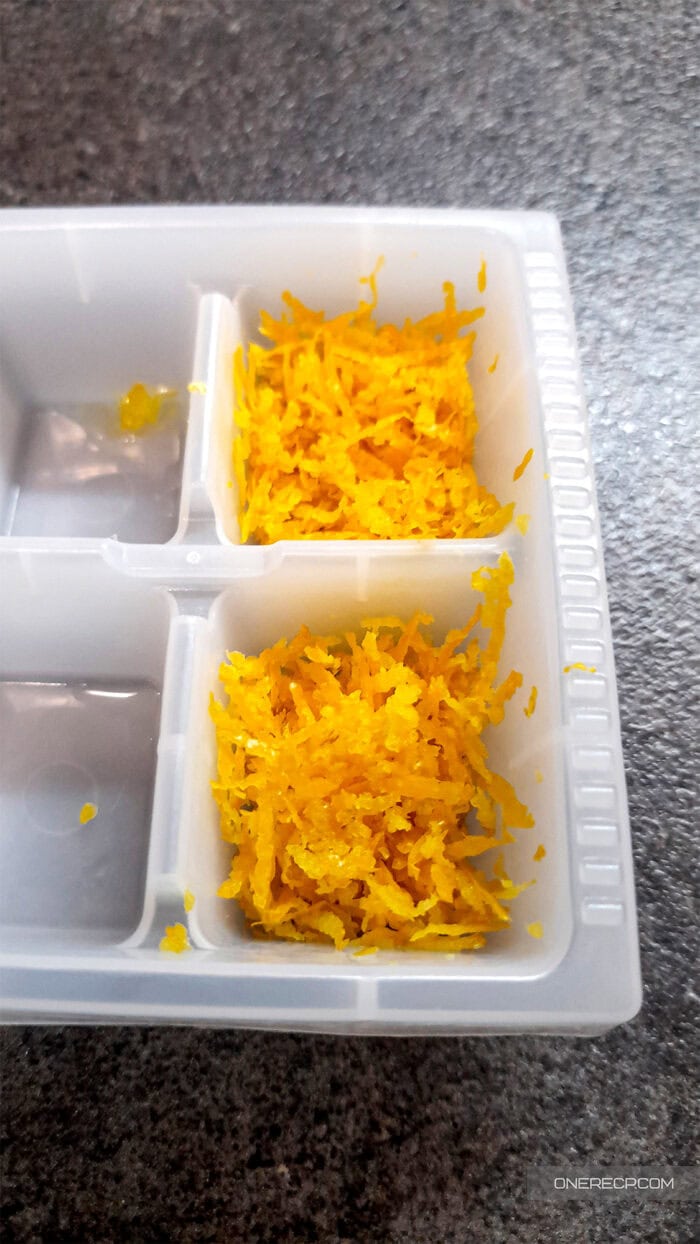
This one’s a little extra, but if you love lemon (and I mean really love lemon), try this method.
Take your fresh zest and press it into the compartments of an ice cube tray.
Top with a tiny splash of water or lemon juice – just enough to hold the zest together – and freeze.
Once frozen, pop out the cubes and store them in a freezer-safe bag.
These are fantastic to throw into soups, marinades, or sauces when you want a hit of citrus without grating a new lemon.
It’s not an everyday trick, but it definitely feels pro.
5. Store It in Olive Oil (With a Caveat)
I’ve seen this one floating around online, and yeah – it sounds amazing.
Zesty olive oil? Say less.
But here’s the thing: storing lemon zest in oil can create a risk for botulism if not done carefully.
If you go this route, make sure the zest is fully dried before mixing with oil, and keep it refrigerated.
Use it within a week or two.
Or better yet, make small batches you’ll use up quickly – think salad dressings, marinades, or dipping oils.
Don’t risk long-term storage unless you’re super familiar with preserving in oil safely.
Can You Zest Lemons Ahead of Time and Store It?
Yes, absolutely – and you should if you find yourself zesting often.
Zesting a lemon takes a bit of effort, and doing it in bulk when you already have a few lemons lying around is a total time-saver.
Once you’ve zested them, use any of the preservation methods we talked about above, depending on how soon you’ll need it.
- What’s the best method for keeping lemon zest fresh for baking?
Freezing is your best bet. The texture and flavor stay pretty much intact, and you can add it straight into batters or doughs without thawing. - Can I store lemon zest in the fridge instead of the freezer?
Short term – sure. Wrap it tightly in plastic wrap or pop it in a small container and use within 2-3 days. Just know it loses that punchy aroma quickly in the fridge. - How do I know if my preserved lemon zest is still good?
Smell it. If it’s lost that fresh, citrusy fragrance or smells musty, it’s past its prime. Mold or off-colors are a hard no, too.
What Can I Do with Extra Preserved Lemon Zest?
So you’ve got a stash of lemon zest – now what?
Honestly, it’s one of those ingredients that quietly elevates almost anything.
Use it whenever you want a fresh, bright flavor that’s not too overpowering.
- How do I use lemon zest in savory dishes?
Toss it into salad dressings, sprinkle on roasted potatoes, mix into compound butter, or stir it into grains like couscous or quinoa. It adds a little sunshine to anything salty or umami-heavy. - Can I bake with frozen or dried zest the same way I would with fresh?
Pretty much, yes! Frozen zest is nearly identical in use. Dried zest should be rehydrated (a splash of water will do) before baking if you want maximum flavor and texture. - What desserts shine with preserved lemon zest?
Lemon zest sugar cookies, citrus pound cake, cheesecake toppings, or even yogurt bowls. Oh – and don’t forget to try it in whipped cream for a surprise twist.
You’ll be amazed at how often you reach for it once you’ve got a stash on hand.
Whether you freeze it, dry it, or whip up a lemon-sugar combo that smells like heaven, preserving zest makes cooking just that little bit brighter.
And honestly – life’s too short to waste lemon gold.
Keep your citrus sparkle stocked and ready, and you’ll never stress about preserving lemon peel again.