Hard boiled eggs are one of my favorite make-ahead foods because they’re easy to prepare, packed with protein, and incredibly versatile.
Whether I’m making breakfast for the week, prepping lunches, or adding extra protein to salads, I almost always cook more eggs than I need.
If you’ve ever found yourself in the same situation and wondered, can you freeze hard boiled eggs, you’re not alone.
The short answer is yes, but the results depend on which part of the egg you’re freezing.
While freezing can help reduce food waste and extend the shelf life of hard boiled eggs, it also changes their consistency in ways that surprise many people.
In this guide, I’ll explain what happens when hard boiled eggs are frozen, why the yolks and whites behave differently, the best way to freeze them, how to thaw them safely, and when freezing is actually worth doing.
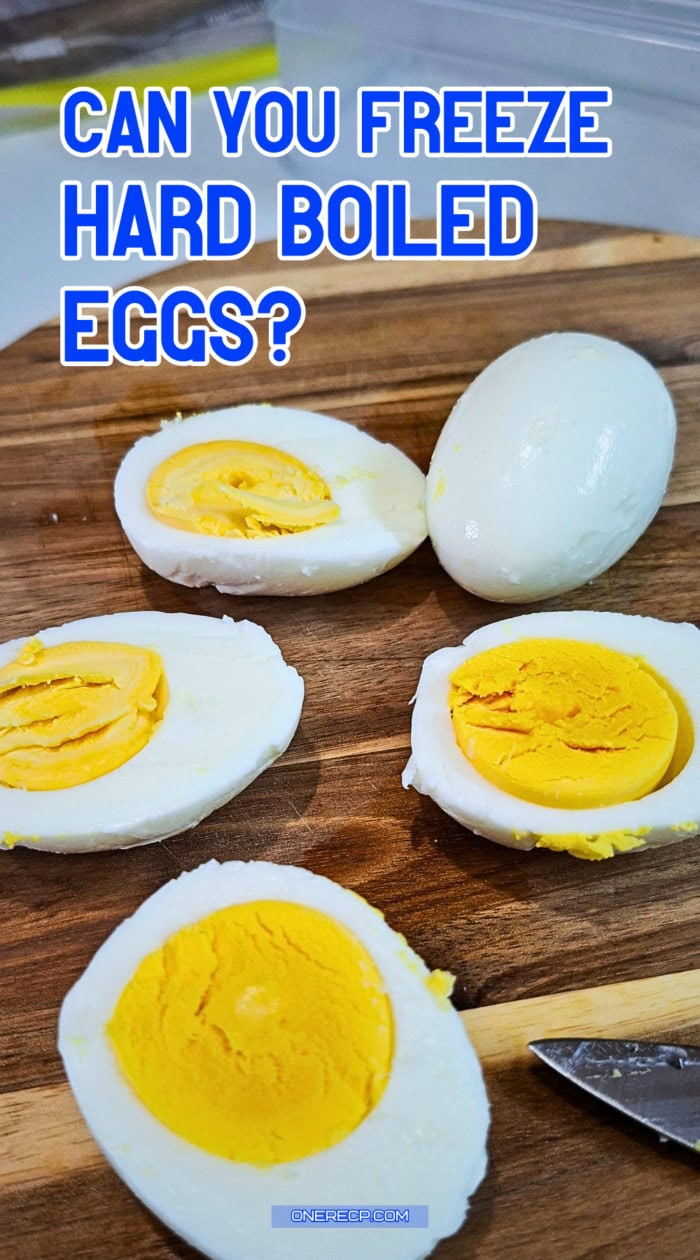
Can You Freeze Hard Boiled Eggs? Here’s What You Need to Know
Yes, you can freeze hard boiled eggs, but there’s one important thing to keep in mind.
The yolks freeze surprisingly well, while the whites usually don’t.
After thawing, hard boiled egg whites often become rubbery, watery, and much firmer than when they were freshly cooked.
For that reason, I generally recommend freezing only the cooked yolks whenever possible.
That doesn’t mean whole hard boiled eggs become unsafe after freezing.
As long as they were cooked, cooled, stored, and thawed properly, they’re perfectly safe to eat.
The biggest drawback is the change in quality rather than food safety.
If you’re planning to mash the yolks into egg salad, sandwich spreads, potato salad, or another mixed dish, freezing can be a practical way to avoid wasting food.
On the other hand, if you’re hoping to enjoy whole hard boiled eggs as a snack or neatly sliced over toast or salads, refrigeration is usually the better option.
If you’ll eat your hard boiled eggs within a week, I recommend skipping the freezer altogether. Refrigeration preserves their flavor and texture much better, especially if the peeled eggs are stored properly.
Why Do Egg Whites Become Rubbery?
Egg whites are made mostly of water and proteins.
When they’re frozen, tiny ice crystals form throughout the cooked whites.
As those crystals melt during thawing, they damage the protein structure and force moisture out of the egg.
That’s why frozen hard boiled egg whites often develop a chewy, rubbery consistency.
Unfortunately, there’s no reliable way to restore their original bite once they’ve been frozen.
The yolks behave very differently because they contain more fat and emulsified proteins, allowing them to retain a much creamier consistency after thawing.
If you decide to freeze whole hard boiled eggs anyway, keep your expectations realistic and plan to use them in recipes where the texture won’t stand out.
I like chopping thawed egg whites into egg salad, potato salad, casseroles, or soups, where they’re mixed with other ingredients and their firmer consistency is much less noticeable.
Should You Freeze Peeled or Unpeeled Eggs?
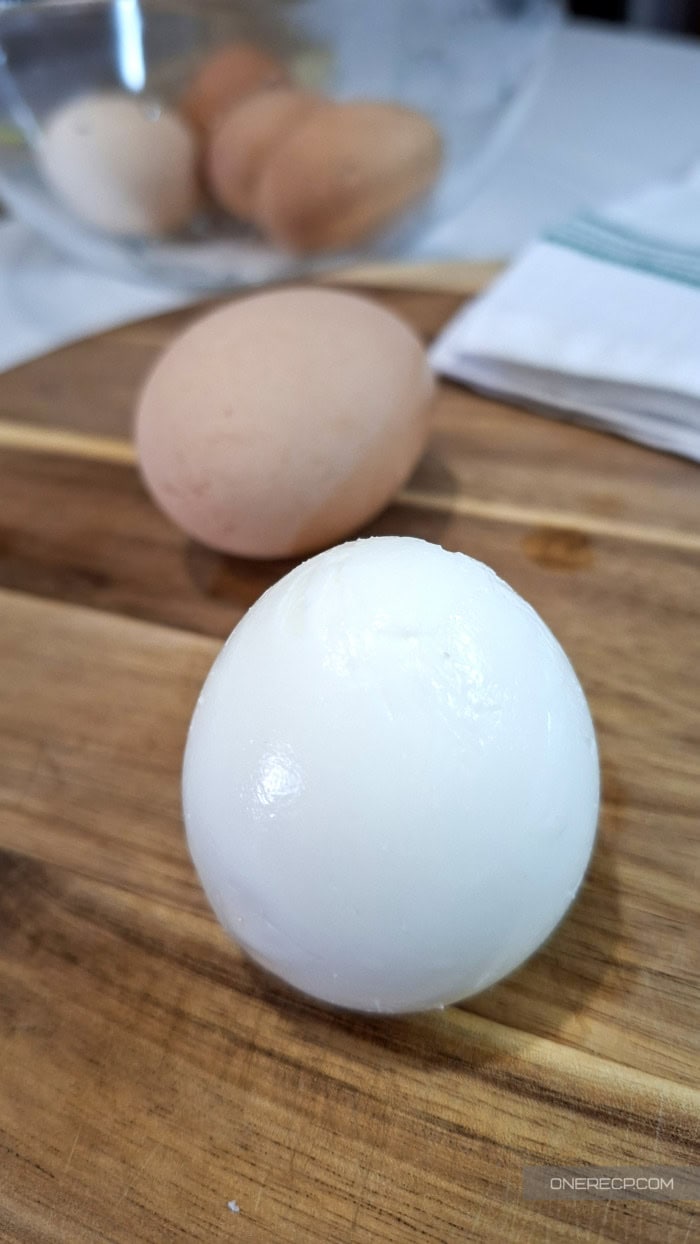
If you decide to freeze whole hard boiled eggs despite the change in texture, it’s best to peel them first.
Although you can freeze hard boiled eggs with the shell on, I don’t recommend it.
The remaining moisture inside the egg expands as it freezes, often causing the shell to crack.
Cracked shells make the eggs more difficult to peel later and increase the risk of freezer burn.
Peeling the eggs before freezing also makes them much easier to thaw and use.
If your goal is getting the best results possible, separating the yolks from the whites before freezing is still the method I’d choose every time.
The Best Way to Freeze Hard Boiled Eggs
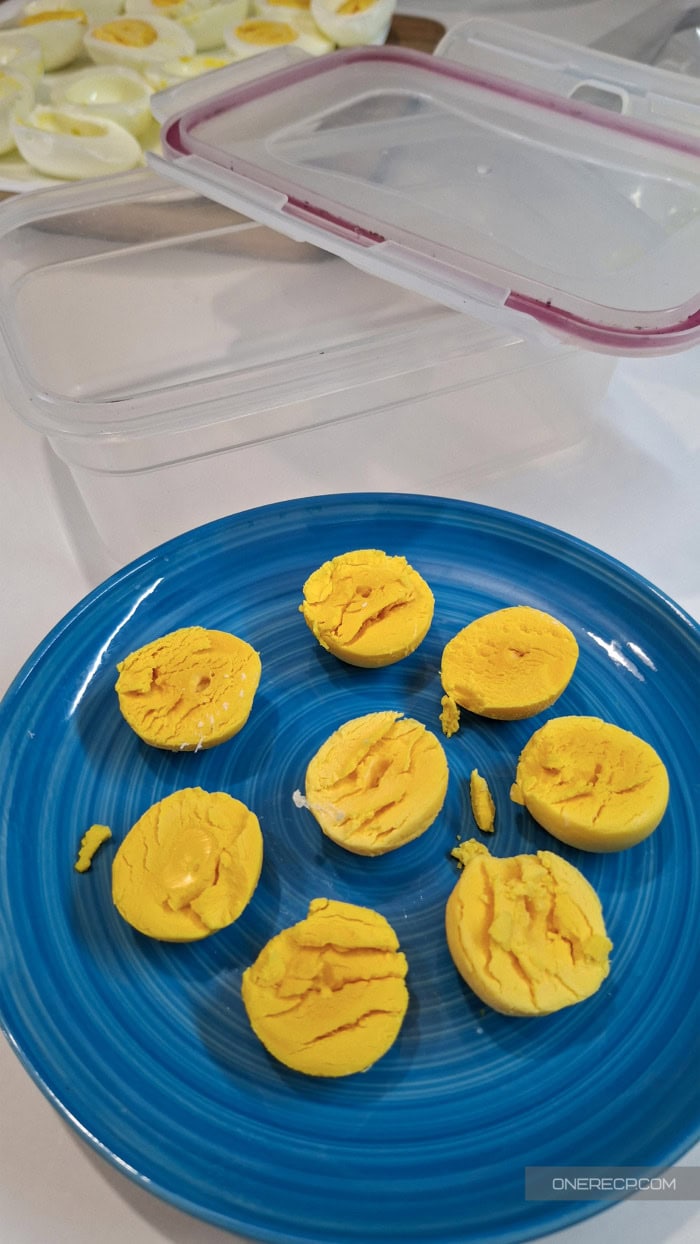
Since freezing only the yolks gives the best results, I recommend following these steps.
- Cook the eggs until they’re fully hard boiled. If you’re unsure whether they’ve finished cooking, knowing how to tell when boiled eggs are done will help before cooling and freezing them.
- Transfer the eggs to an ice bath and let them cool completely.
- Peel the eggs.
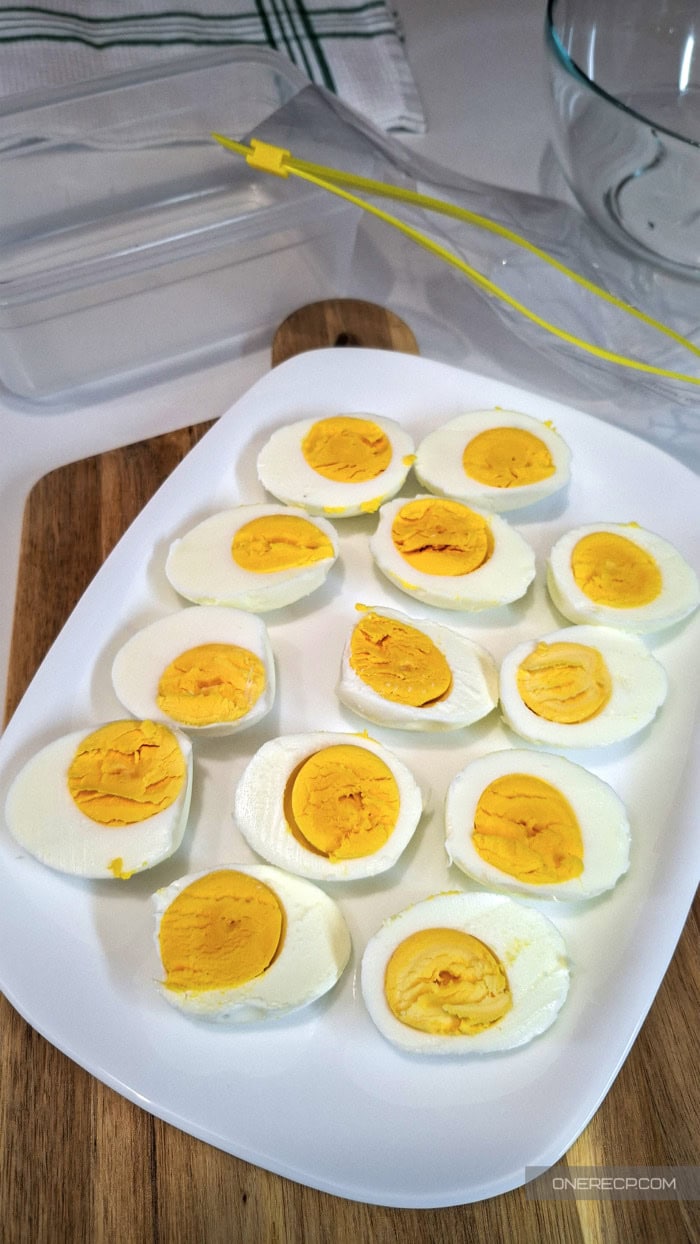
- Cut each peeled egg in half lengthwise, then gently lift the cooked yolk out of each egg white half using a spoon or your fingers.
- Place the yolks in a freezer bag or a small airtight freezer-safe container.
- If you’re using a freezer bag, press out as much air as possible before sealing it. If you’re using a container, choose one that’s just large enough to hold the yolks so there’s very little empty space inside.
- Label the bag or container with the date before placing it in the freezer.
If you’re freezing only the yolks, don’t throw the cooked egg whites away.
Although they don’t freeze particularly well, they’re still perfect for meals over the next few days.
I usually slice them into salads, chop them into egg salad, add them to sandwiches, or simply enjoy them as a quick high-protein snack.
Although it’s possible to freeze whole hard boiled eggs, I don’t usually recommend it because the whites become noticeably rubbery after thawing.
If you decide to do it anyway, wrap each peeled egg tightly in plastic wrap before placing it in a freezer-safe bag or airtight container to help reduce freezer burn.
How Long Can Frozen Hard Boiled Eggs Last?
Frozen cooked yolks keep their best quality for about three months.
While they’ll usually remain safe if kept continuously frozen for longer, their flavor and consistency gradually begin to decline.
For the best results, I try to use frozen yolks within two to three months.
How to Thaw Hard Boiled Eggs
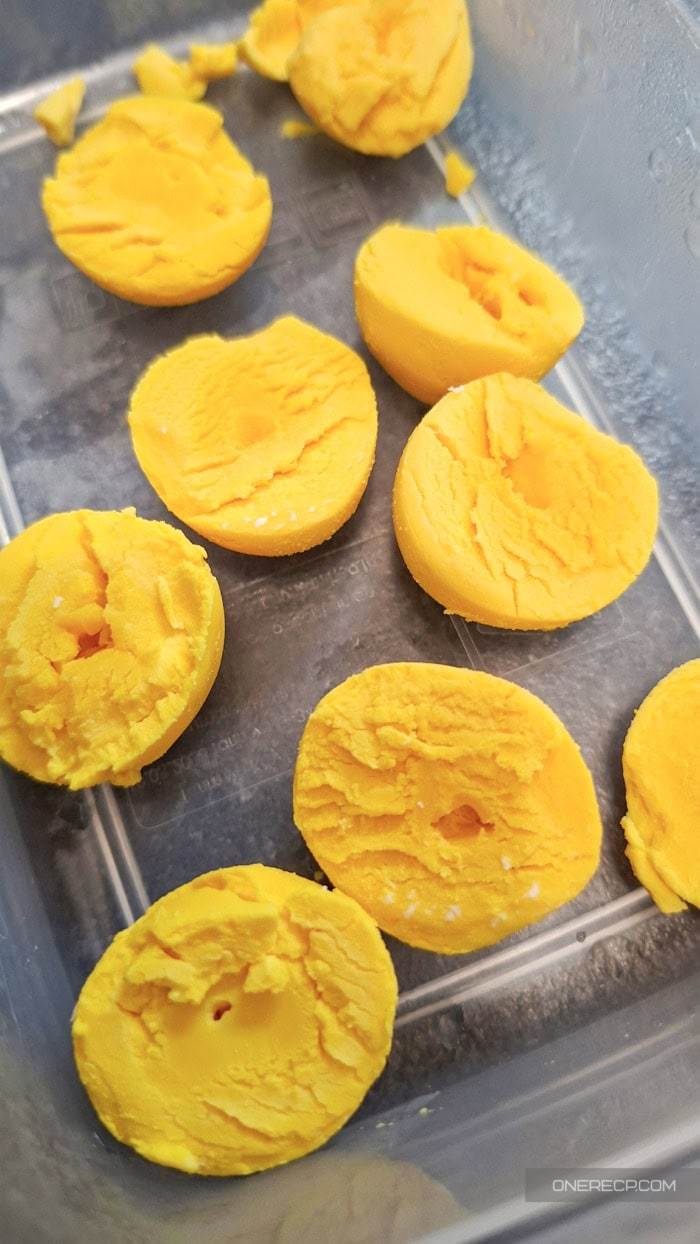
I always recommend thawing frozen hard boiled eggs overnight in the refrigerator.
It’s the safest method and does the best job of preserving their quality.
Avoid thawing them on the kitchen counter because bacteria multiply much more quickly at room temperature.
Once thawed, use the eggs within one day.
If the whites have become too firm to enjoy on their own, chop them into soups, casseroles, egg salad, or potato salad where the change in texture is much less noticeable.
The thawed yolks work especially well in creamy fillings, potato salad, and egg salad because they’re mixed with other ingredients.
What Recipes Work Best with Frozen Yolks?
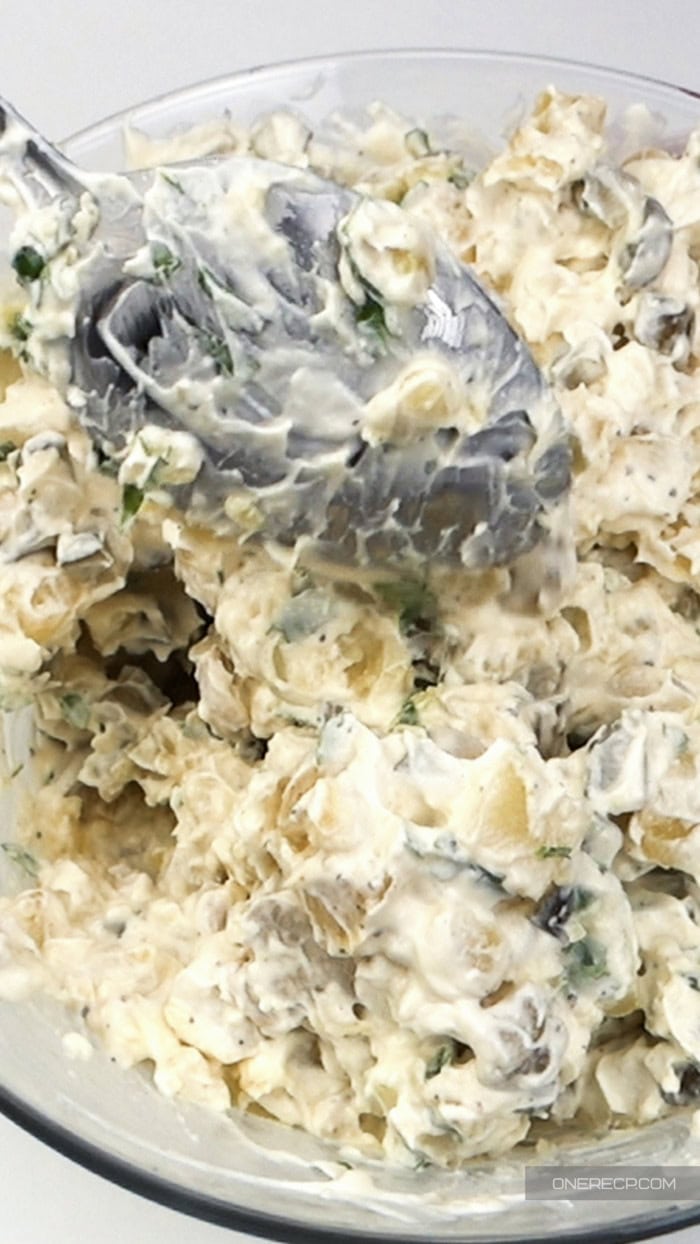
Cooked frozen yolks are much more versatile than many people realize.
Since they’re usually mashed and mixed with other ingredients, most people won’t notice they were ever frozen.
I get the best results using them in:
- Egg salad
- Sandwich spreads
- Potato salad
- Pasta salad
- Breakfast wraps
- Savory dips
- Chef salads
- Cobb salads
- Mashed avocado toast
While I don’t recommend using frozen egg whites for traditional deviled eggs, freshly cooked eggs are perfect for making deviled eggs with bacon if you’re looking for a flavorful appetizer.
If you’re planning an Easter gathering, these Easter deviled eggs are another great way to use freshly cooked hard boiled eggs.
If someone didn’t know the yolks had been frozen beforehand, they probably wouldn’t notice the difference once they’re incorporated into one of these dishes.
When Is Freezing Worth It?
In my kitchen, freezing hard boiled eggs is something I do only when I know they would otherwise go to waste.
Maybe I cooked too many eggs for meal prep.
Perhaps I prepared a large batch before a holiday gathering and ended up with leftovers.
Or maybe I simply won’t have time to eat them before their refrigerated shelf life runs out.
In situations like these, freezing the yolks is a practical way to reduce food waste without sacrificing much quality.
If I’m cooking eggs specifically for future meals, though, I usually make only as many as I expect to eat within a week and keep them refrigerated instead.
Are Frozen Hard Boiled Eggs Safe to Eat?
Yes, frozen hard boiled eggs are safe to eat as long as they were cooked, cooled, frozen, and thawed properly.
Food safety depends much more on how the eggs were handled before and after freezing than on the freezing process itself.
I recommend cooling the eggs completely before freezing them and transferring them to the freezer as soon as they’re ready.
After thawing, keep the eggs refrigerated and use them within 24 hours for the best quality and safety.
If the eggs develop an unpleasant odor, a slimy surface, discoloration, or visible mold, discard them immediately instead of tasting them.
- Can you refreeze thawed hard boiled eggs?
I wouldn’t recommend it.
Every freeze-thaw cycle causes the eggs to lose more moisture, making the whites even tougher while also increasing the risk of bacterial growth if the eggs weren’t kept consistently cold.
If you’ve thawed more eggs than you need, it’s better to use them in cooked recipes than to freeze them again.
- Can you freeze sliced hard boiled eggs?
Technically, yes.
However, sliced eggs usually lose moisture even faster because more of their surface is exposed to the cold air inside the freezer.
If you decide to freeze hard boiled eggs, keeping the yolks whole will usually give you better results.
- Can frozen hard boiled eggs be used for deviled eggs?
Not really.
Although frozen yolks usually mash smoothly after thawing, traditional deviled eggs also depend on tender egg white halves, and those simply don’t freeze well.
If you already have frozen yolks, I recommend using them in egg salad, sandwich spreads, potato salad, or another recipe where they’ll be mixed with other ingredients.
Whenever I make deviled eggs for guests or a holiday meal, I always start with freshly cooked hard boiled eggs because they deliver the best flavor, consistency, and presentation.
My Short Recap
Freezing hard boiled eggs can be a practical way to reduce food waste, but it’s not always the best storage option.
From my experience, freezing only the yolks gives the best results because they retain their quality far better than the whites after thawing.
If you think you’ll use your eggs within a week, refrigeration is usually the better choice.
However, if you have extra yolks that would otherwise go to waste, freezing them is a simple way to make them last longer.
Now that you know what to expect when freezing hard boiled eggs, you can decide with confidence whether it’s the right solution for your next batch.