You know that moment when you reach for the bag of flour tucked in the back of your pantry and wonder if it’s still okay to use?
Flour might look fine at first glance, but old or spoiled flour can ruin your recipes faster than you can preheat the oven.
Learning how to tell if flour is bad can save you from flat cakes, strange-tasting cookies, and even potential foodborne illness.
The good news? You don’t have to be a professional baker to spot the signs.
In this guide, I’ll show you how to recognize spoiled flour, how long different types actually last, and the best ways to store it so it stays fresh.
Let’s make sure your next batch of brownies smells like heaven, not your grandma’s attic.
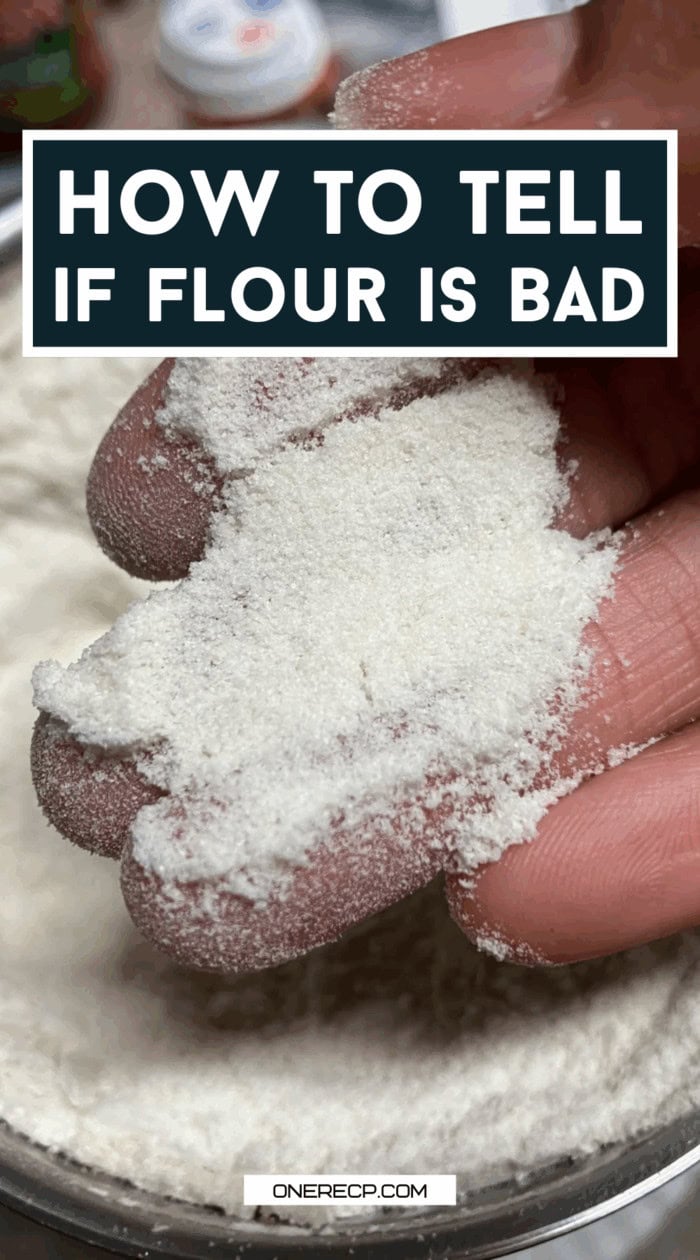
How to Tell If Flour Is Bad: The Signs You Should Never Ignore
The easiest way to tell if your flour has gone bad is to trust your senses.
Start with the smell.
Fresh flour has a mild, neutral scent – sometimes slightly nutty or sweet depending on the type.
If you open the bag and notice a sour, musty, or rancid odor, that’s your first red flag.
Flour naturally contains oils from the grain, and over time those oils oxidize, producing that unpleasant off smell.
Next, look closely at the texture and color.
Flour should appear soft and even in tone.
If it looks clumpy, discolored, or has tiny moving specks (yes, those are flour bugs), it’s time to toss it immediately.
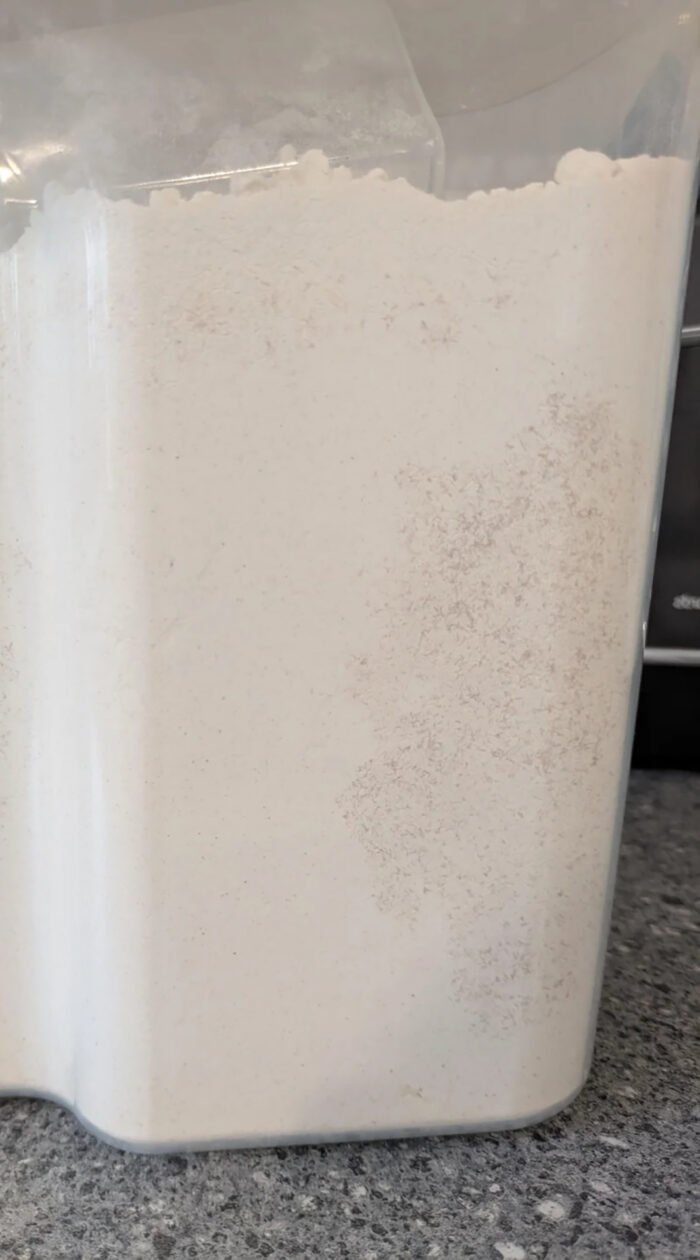
Even if you don’t see insects, small holes in the bag or web-like residue inside are signs of an infestation.
The taste test is another quick giveaway.
If you dab a little on your tongue and it tastes bitter, metallic, or just “off,” don’t risk it.
Rancid flour not only tastes bad but can cause digestive issues when baked into food.
Finally, check the expiration date.
While flour often lasts longer than what’s printed on the bag, that date is still a good baseline.
Once opened, most all-purpose flour stays fresh for 6-8 months at room temperature and up to a year in the fridge or freezer.
Whole wheat or nut-based flours go bad much faster because of their higher oil content.
If you’ve checked all these things and your flour still seems fine, you’re likely in the clear – but proper storage makes all the difference in keeping it that way.
How to Store Flour Properly So It Lasts Longer
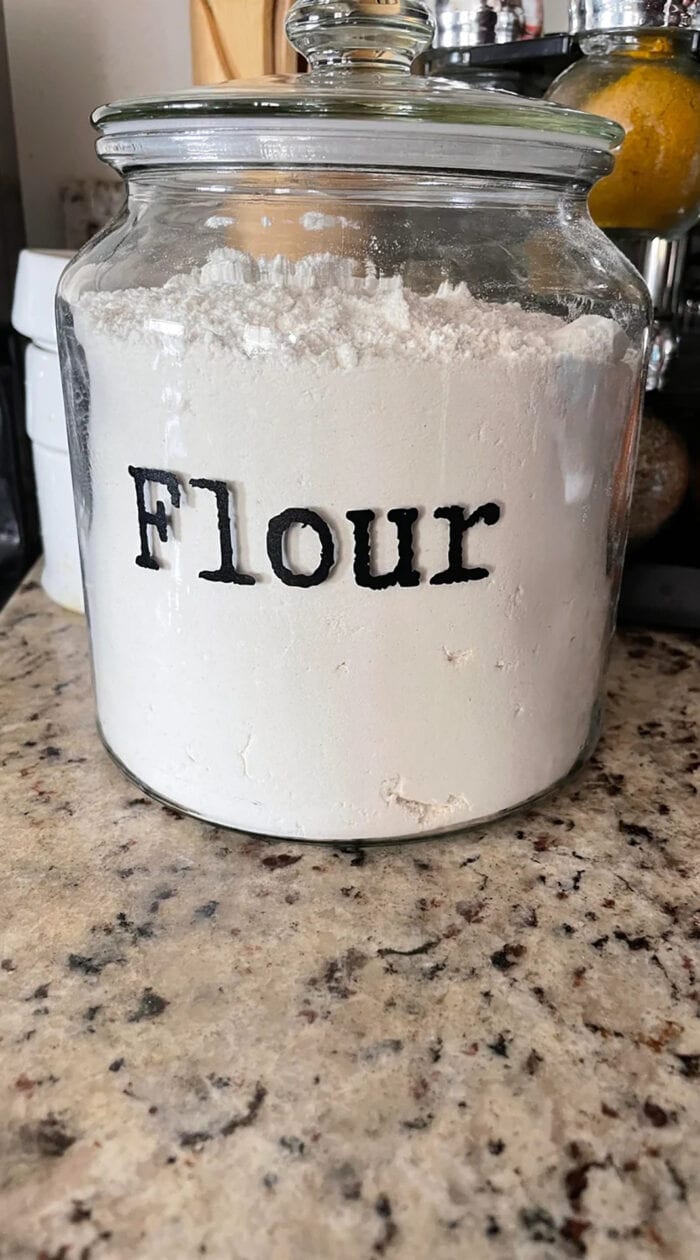
Keeping your flour fresh starts with where and how you store it.
Once opened, don’t leave the flour in its original paper packaging.
Transfer it to an airtight container – glass, metal, or heavy-duty plastic all work well.
This helps prevent moisture absorption and keeps pantry pests away.
Flour likes cool, dark environments.
The pantry is fine if it’s not humid, but for longer storage, the fridge or freezer is your best bet.
Just make sure the container is tightly sealed to prevent condensation from forming.
If you choose to freeze flour, there’s no need to thaw it before use – just bring it to room temperature before baking to avoid clumps.
Most bakers find that flour stored in the freezer can stay fresh for up to two years without noticeable flavor change.
Label your containers with the date you opened the flour, especially if you buy in bulk.
You’ll thank yourself later when you’re trying to remember which jar is from last winter’s baking spree.
For anyone baking only occasionally, consider buying smaller bags to avoid waste.
It might cost a bit more upfront, but it guarantees fresher results and fewer chances of running into that dreaded musty smell.
What Happens If You Use Expired Flour?
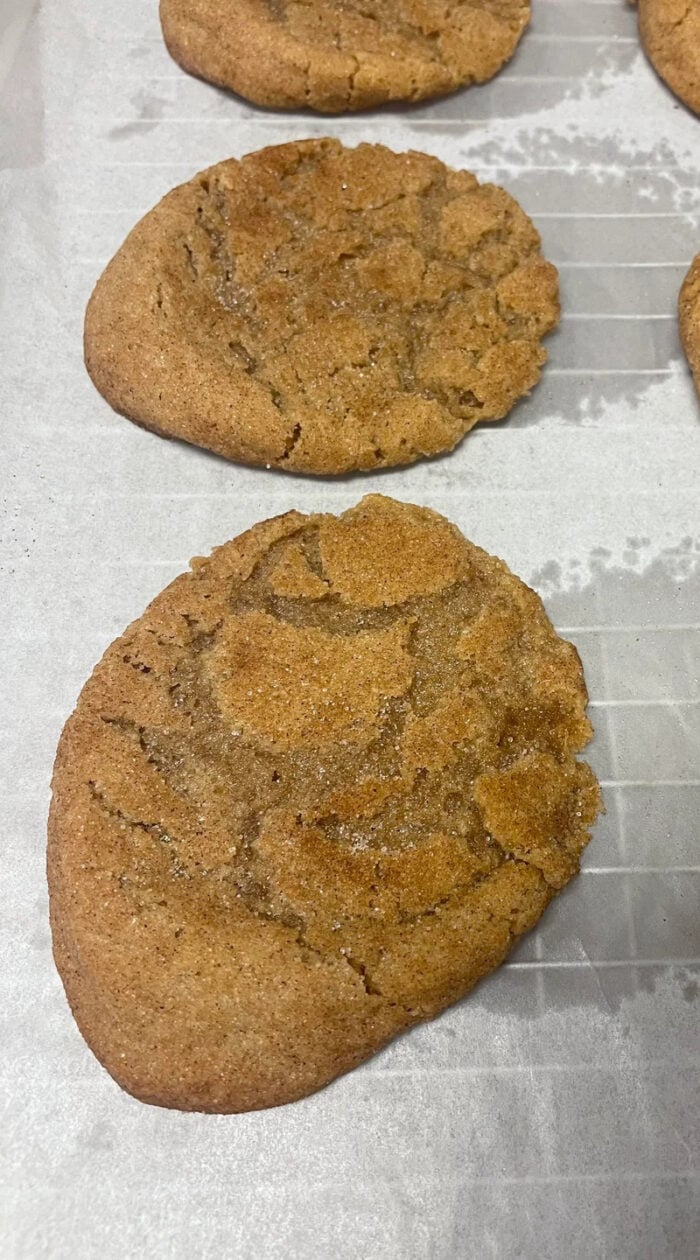
So what if you accidentally used old flour?
Don’t panic – it depends on how “expired” we’re talking.
If the flour is only slightly past its date and still smells and looks fine, your recipe will likely turn out okay.
However, the older the flour gets, the more its gluten structure and natural oils break down, which can affect texture and taste.
Cookies might spread too much, cakes might not rise properly, and bread could end up dense and flat.
In short, expired flour won’t kill your recipe, but it can definitely ruin the flavor and consistency.
If the flour smells sour or musty, though, it’s best not to risk it.
Consuming rancid flour can cause nausea or stomach upset, and in rare cases, it may even lead to food poisoning from mold spores or bacteria.
Always err on the side of caution.
Baking is as much chemistry as it is creativity – and your ingredients matter.
Can You Save or Reuse Old Flour?

Once flour has gone bad, there’s really no safe way to bring it back.
The off smell and taste come from oxidized oils, and that chemical change can’t be reversed.
However, if your flour is just a little stale (not rancid), there are a few non-baking ways to reuse it.
You can use it for cleaning greasy pans, deterring ants, or even making homemade play dough.
It also works as a natural thickener for craft glue or modeling clay.
But for cooking or baking, the rule is simple – when in doubt, throw it out.
It’s not worth risking your food or your health over a few cups of questionable flour.
Follow-Up Questions About Flour Freshness
How long does flour last once opened?
Most all-purpose flour lasts 6-8 months after opening if stored in a cool, dry place.
In the fridge, it can last up to a year, and in the freezer, even longer – around 18-24 months.
Can you use flour past its expiration date if it smells fine?
Yes, as long as it doesn’t have an off odor or visible changes, flour can often be used for several months beyond its printed expiration date.
Just perform the smell and taste checks first.
What’s the best container for storing flour?
Airtight containers with tight-fitting lids are essential.
Glass jars, metal tins, or BPA-free plastic bins work best, especially those with rubber seals to block moisture.
Can different types of flour spoil faster?
Absolutely.
Whole grain, nut, and seed-based flours spoil faster because of their higher fat content.
Refined white flours tend to last longer but can still absorb odors and moisture if not sealed properly.
How to Keep Your Flour Fresh for Future Baking
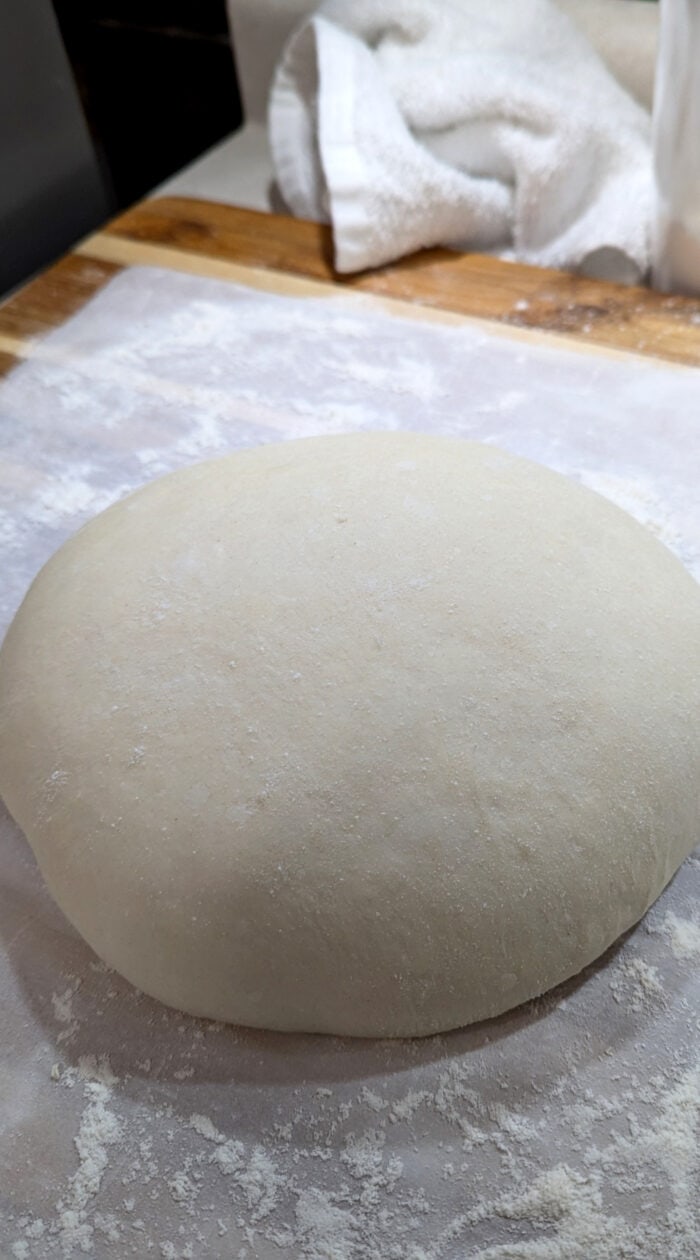
Flour might seem like one of those pantry staples that never goes bad, but as you’ve seen, that’s not quite true.
To make sure your next baking project turns out perfectly, remember these quick rules: store flour in airtight containers, keep it in a cool place, and trust your senses above all else.
Fresh flour smells faintly sweet, looks uniform, and blends easily when touched.
If you notice anything strange – a bitter taste, a sour smell, or little uninvited “guests” crawling inside – it’s time to let it go.
The simplest way to avoid problems is to buy only as much as you’ll use in a few months, rotate your stock, and label it clearly.
That way, you’ll never have to guess how to tell if your flour is bad again.