Most people already know that nuts and seeds are little nutritional powerhouses – but what you might not realize is that your body sometimes struggles to handle them in their raw state.
If you’ve ever felt heavy, bloated, or tired after eating a handful of almonds or pumpkin seeds, there’s a good reason.
Learning how to soak nuts and seeds to improve digestion isn’t just about making them softer – it’s about unlocking their hidden nutrients and making them much kinder to your gut.
This guide walks you through exactly why soaking matters, how to do it for different nuts and seeds, what water to use, and how to handle them after soaking.
By the time you’re done reading, you’ll have an easy habit that makes your snacks taste better, feel lighter, and work harder for your health.

How to Soak Nuts and Seeds to Improve Digestion
Soaking nuts and seeds is not a trendy wellness hack – it’s a traditional practice used for centuries across cultures.
These foods contain phytic acid and enzyme blockers that act like tiny shields, protecting the seed until it’s ready to sprout.
The problem? Those same shields can interfere with digestion and mineral absorption when we eat them raw.
Soaking mimics rainfall in nature, signalling the nut or seed to begin sprouting.
This breaks down the tough compounds and makes the nutrients inside far more available to your body.
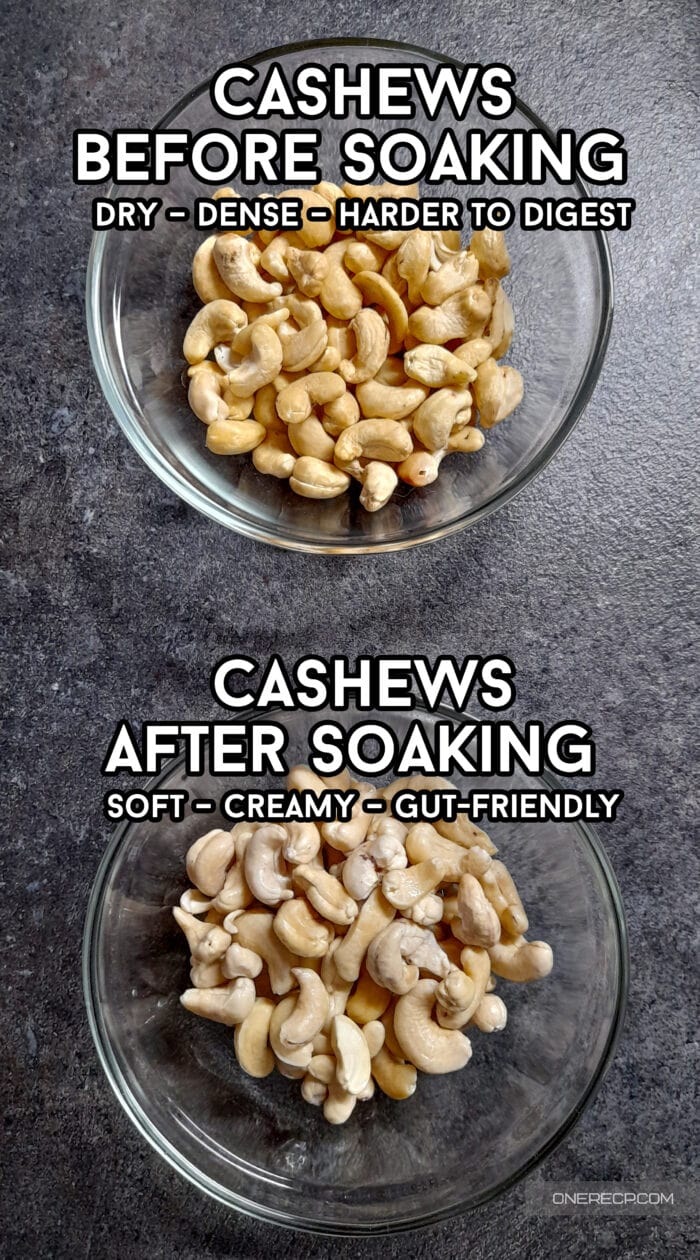
You’ll also notice the texture changes – they become plumper, creamier, and easier to chew.
With one small prep step, you make these foods friendlier on your gut and more nourishing at the same time.
How to Soak Nuts and Seeds the Right Way

Here’s the simplest method that works for almost all nuts and seeds:
- Use room-temperature or lukewarm water. Warm water helps activate enzymes and break down phytic acid faster than cold water. Never use boiling water – it can damage nutrients.
- Choose a non-metal container. A glass bowl, large jar, or ceramic casserole dish works perfectly. Avoid reactive metal containers.
- Add plenty of water. Cover your nuts or seeds with at least twice their volume of water, since they’ll expand as they soak.
- Add optional salt or acid. Use about 1/2 teaspoon of sea salt per cup of nuts, or add a splash of lemon juice or apple cider vinegar to help neutralize even more anti-nutrients.
- Cover loosely. You don’t need an airtight lid. A plate, clean towel, or beeswax wrap over the bowl keeps dust out without sealing moisture in. If your kitchen is very warm, you can soak in the fridge instead.
- Soak for the recommended time. Each nut or seed has its own ideal soaking time (see guide below). When finished, always drain and rinse thoroughly before eating.
This simple process “activates” your nuts and seeds, making them more digestible and more nutritious.
Soaking Times for Different Nuts and Seeds
Not all nuts and seeds soak the same way.
Here’s a quick guide you can follow:
- Almonds: 8–12 hours. Peel if you want maximum digestibility.
- Cashews: 2–4 hours. Longer soaking can make them mushy.
- Walnuts: 4–6 hours. The bitter edge softens beautifully.
- Pecans: Around 6 hours. They become rich and buttery.
- Pumpkin seeds: 6–8 hours. Perfect for sprinkles or snacking.
- Sunflower seeds: 2–4 hours. Quick to plump up.
- Chia seeds: 15–30 minutes. They form a gel that’s super easy on your stomach.
- Flaxseeds: Short soak like chia – they gel and blend better.
Always discard the soaking water and rinse your nuts and seeds under cool running water to remove the released compounds.
What to Do After Soaking

People often ask if they can just eat nuts straight after soaking. The answer is yes – as long as you rinse them first.
- Eat immediately. After rinsing, you can enjoy your soaked nuts and seeds as they are. They’ll be softer, plumper, and easier to chew – perfect for smoothies, baking, or eating by the handful.
- Store short-term in the fridge. If you’re not eating them right away, store them in a sealed glass container in the fridge and use within 2–3 days. Moisture makes them spoil faster than raw nuts.
- Dry for long-term storage. If you want them crunchy again and shelf-stable, dry them in a dehydrator or low oven until completely crisp. Once dry, they can go back into your pantry like normal.
This gives you flexibility. Eat them soft for immediate use, or dry them out to make “activated” nuts you can store.
Using Salt or Acid in the Soaking Water
Adding salt or a splash of acid is optional but highly recommended.
Salt helps neutralize enzyme inhibitors faster, while lemon juice or apple cider vinegar mimics gentle fermentation and can improve digestibility even more.
This tiny tweak also brightens the flavor, especially for dense nuts like almonds or hazelnuts.
Eating Soaked Nuts: Raw or Toasted?
After soaking, you can eat them directly once rinsed, or you can dry or toast them for a crunchy snack.
Some people love the soft, creamy texture of soaked nuts straight from the fridge.
Others prefer to dehydrate or lightly roast them for crunch.
Either way, the benefits of soaking stay with you.
If you’re making nut milk, sauces, or blending them into smoothies, the soaked version is ideal because it blends effortlessly.
If you’re snacking, try both ways and see which you like best.
Keeping Soaked Nuts and Seeds Fresh

Because they’ve absorbed water, soaked nuts and seeds can spoil faster.
- Short-term storage: Rinse well, pat dry, and refrigerate in a sealed glass container. Eat within 2–3 days.
- Long-term storage: Dry completely in a dehydrator or low-temperature oven. Once crisp and fully dry, store in the pantry as usual.
Avoid plastic because it traps moisture.
If you ever notice an off smell or slimy texture, it’s time to toss them and start fresh.
Frequently Asked Questions About Soaking Nuts and Seeds

Do I need to rinse soaked nuts before eating?
Yes – always rinse after soaking. This washes away the phytic acid and enzyme inhibitors you’ve just removed.
Should I eat them immediately or refrigerate them first?
You can eat them right after rinsing. If not, refrigerate and finish within 2–3 days to keep them fresh.
Cold or warm water for soaking?
Room-temperature or lukewarm water works best. It activates enzymes more effectively than cold water without harming nutrients like hot water can.
What’s the best dish to soak them in?
A glass bowl, large jar, or ceramic dish. Avoid reactive metals. Cover loosely with a clean towel or plate – no need for a tight lid.
Do soaked nuts taste different?
Yes – often for the better. They can taste sweeter, creamier, and less bitter depending on the type.
Once you start soaking your own nuts and seeds, you’ll see how simple it is.
With just a little planning, you’ll enjoy snacks that are lighter on your stomach, more flavorful, and way more nutritious.
If you’re serious about gut-friendly eating, soaking nuts and seeds for better digestion might be one of the easiest changes you’ll ever make.