If you’ve never tasted rose petal jam before, you’re in for something truly special.
Unlike fruit jams that rely on berries, peaches, or citrus, this traditional preserve captures the delicate aroma of fragrant roses and transforms it into a beautifully sweet spread.
The result is a ruby-colored jam with tender petals suspended in a glossy syrup that feels both elegant and comforting.
Bulgarian Rose Petal Jam has been enjoyed for generations, particularly in regions famous for growing Rosa damascena roses.
These highly aromatic flowers are prized around the world for their fragrance, making them the perfect choice for a homemade preserve that tastes as beautiful as it looks.
I love making this recipe at the start of summer when the roses are at their peak.
A single batch fills the kitchen with an incredible floral aroma and creates jars that can be enjoyed throughout the year.
It also makes a thoughtful homemade gift and a wonderful addition to a holiday breakfast table.
Whether you’re exploring traditional Bulgarian recipes, looking for a unique homemade jam, or searching for a special preserve to include in your Christmas celebrations, this rose petal jam recipe is a wonderful place to start.
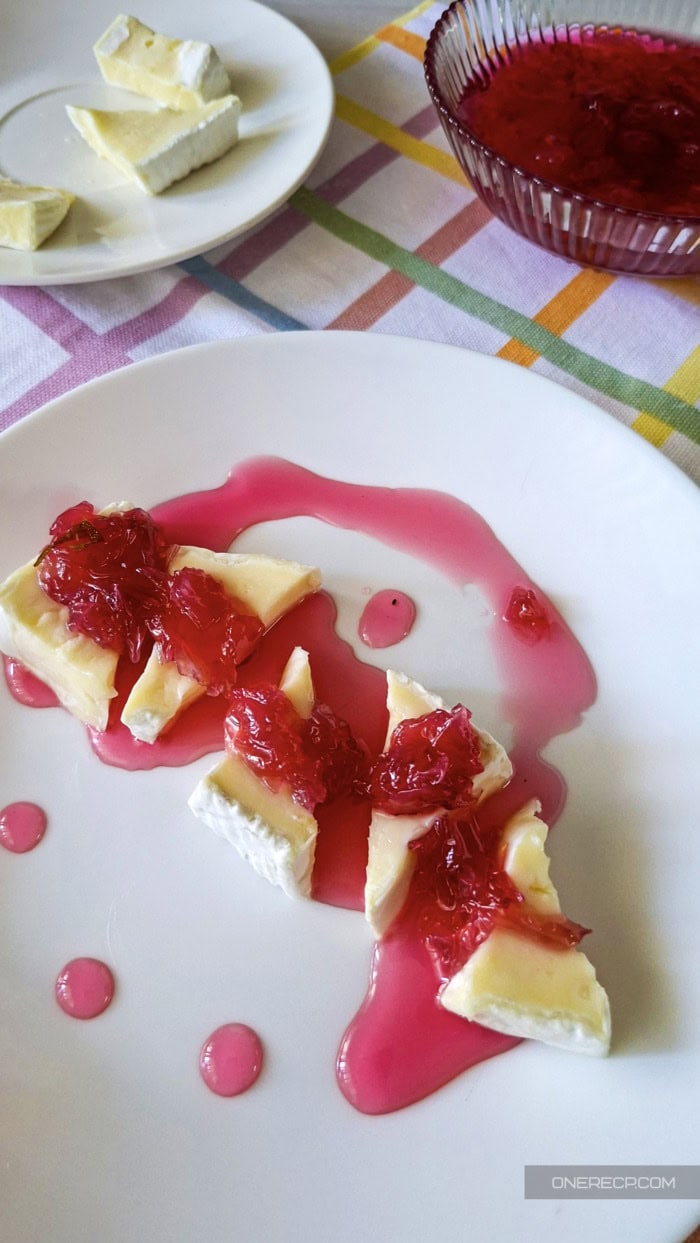
Bulgarian Rose Petal Jam
Rose petal jam is one of Bulgaria’s most beloved traditional preserves.
Made with fragrant Rosa damascena petals, sugar, water, and citric acid, it turns a short-lived flower harvest into something you can enjoy for months.
The finished jam has a delicate floral flavor that many people compare to Turkish delight or rose tea.
It is sweet, aromatic, and surprisingly versatile.
I enjoy it on toast, stirred into yogurt, spooned over pancakes, or served alongside soft cheeses.
While it may seem unusual at first, homemade rose jam is remarkably simple to make and requires just a handful of ingredients.
The key is using fresh, food-safe rose petals and allowing their natural fragrance to shine.
Ingredients
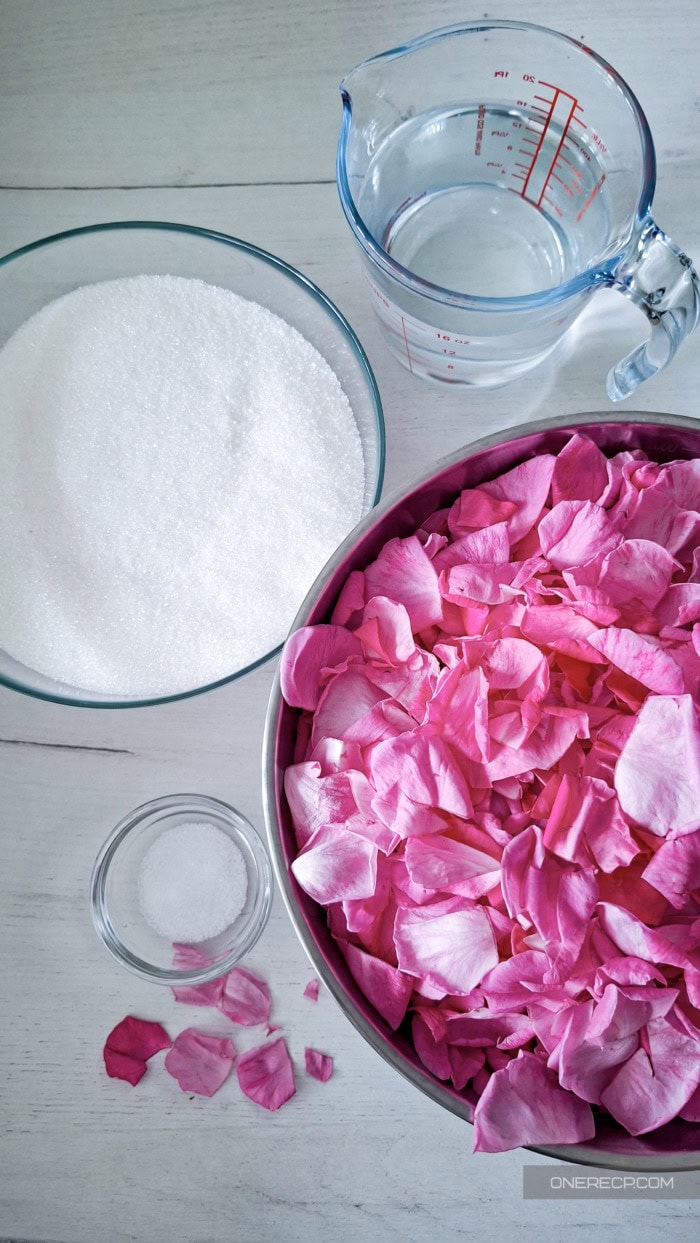
You only need four simple ingredients to make this traditional Bulgarian preserve.
The beauty of this recipe comes from allowing the fragrance of the roses to remain the star of the jar rather than masking it with additional flavors.
- Rosa damascena rose petals – Traditional Bulgarian rose jam is made with Rosa damascena petals, which are prized for their intense fragrance and flavor. While some other edible rose varieties can be used, they may produce a milder aroma and a less traditional result. Always use food-safe petals that have not been treated with pesticides or chemicals.
- Granulated sugar – Sweetens the jam while helping create the glossy syrup that preserves the petals and gives the finished jam its classic texture.
- Water – Combines with the sugar to form the syrup and gently extracts the natural fragrance and color from the rose petals during cooking.
- Citric acid – Balances the sweetness and helps transform the jam into its characteristic ruby-red color. This ingredient is essential for both flavor and appearance.
How to Make
Check out the recipe card at the end of this article for detailed, step-by-step instructions.
Start by preparing the rose petals, carefully removing any stamens, green bases, damaged pieces, or insects that may be present.
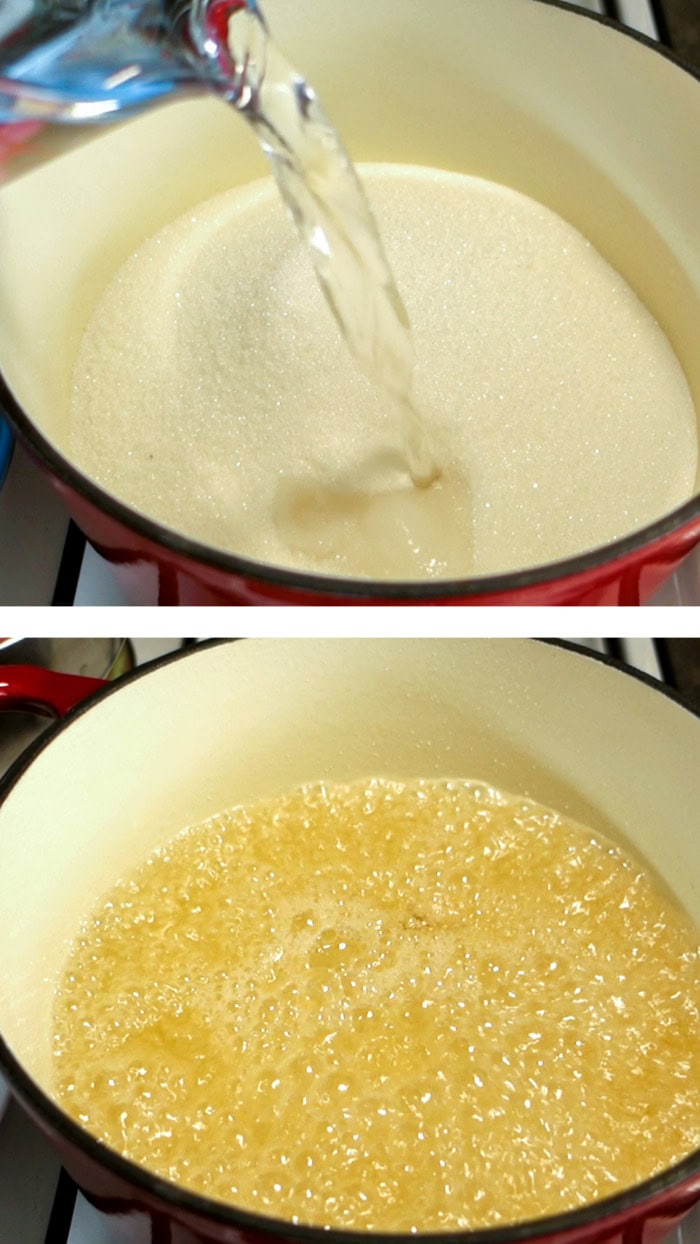
Next, combine the sugar and water in a large pot and bring the mixture to a gentle boil, stirring until the sugar completely dissolves.
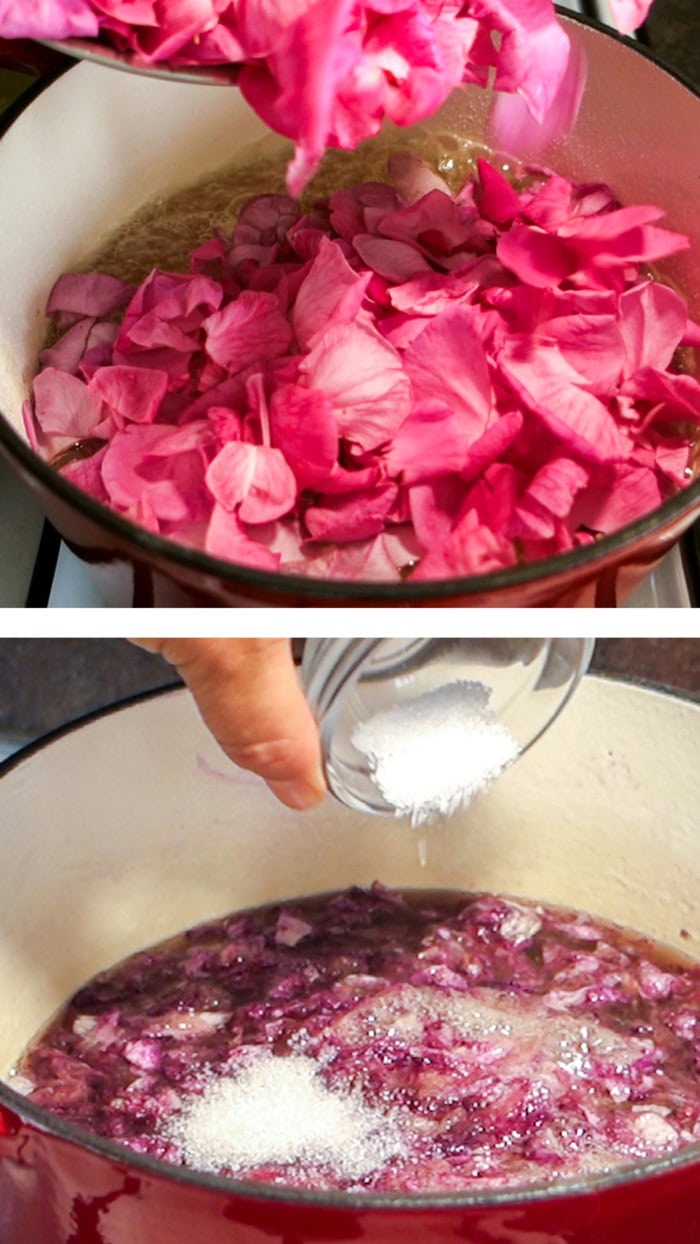
Add the rose petals to the clear syrup and reduce the heat to a gentle simmer.
Cook slowly while stirring occasionally until the petals soften and the syrup begins to thicken.
Stir in the citric acid near the end of cooking and watch as the color develops into the beautiful ruby-red shade traditional Bulgarian rose jam is known for.
Finally, fill the sterilized jars with the hot jam, seal them immediately, turn them upside down, and allow them to cool completely before moving or storing them.
Storage and Tips
Many traditional Bulgarian households simply fill hot sterilized jars, seal them, turn them upside down, and allow them to cool completely.
When stored in a cool, dark place, the jam often keeps well for many months.
If you prefer longer-term storage or want to follow modern food preservation guidelines, you can also process the jars using a water bath canning method.
To help prevent crystallization, avoid overcooking the jam and use the recommended amount of citric acid.
If a few sugar crystals appear during storage, the jam is still perfectly safe to eat.
Why Did My Rose Jam Change Color or Turn Green?
Seeing your rose jam change color during cooking can be surprising, but it is completely normal.
Rose petals naturally react to heat, oxidation, and changes in acidity, causing the mixture to shift through shades of pink, purple, brown, or even green.
In many traditional Bulgarian recipes, the jam may develop a dull or greenish appearance before the citric acid is added.
Once the citric acid is stirred in, the color typically transforms into the vibrant ruby-red shade that Bulgarian rose petal jam is known for.
As long as you are using fresh rose petals and following the recipe correctly, these color changes are usually part of the normal cooking process.
What Does Rose Petal Jam Taste Like and How Is It Served?
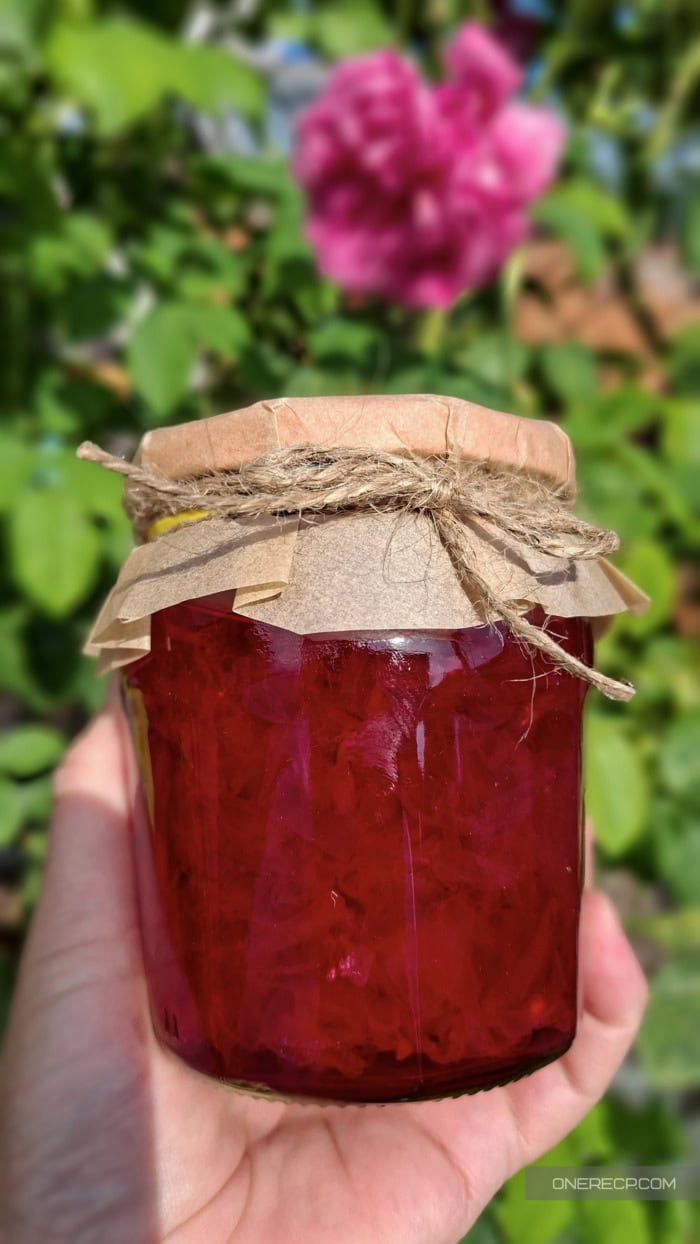
Rose petal jam has a sweet floral flavor with a delicate aroma that many people compare to Turkish delight, rose tea, or floral honey.
The taste is unique but not overpowering when made with Rosa damascena petals, while the citric acid adds a subtle brightness that balances the sweetness.
There are many delicious ways to enjoy this traditional preserve.
Spread it on toast, croissants, biscuits, or scones for breakfast.
Stir a spoonful into tea, yogurt, or oatmeal for a floral twist.
It pairs wonderfully with soft cheeses such as Brie or Camembert and can be used as a filling for pastries, cookies, cheesecakes, and cakes.
Because of its elegant flavor and festive appearance, rose petal jam also makes a lovely addition to holiday brunches, Christmas breakfast spreads, and other homemade preserves often featured in traditional Christmas jam recipes.
↑ Click stars to rate now!
Bulgarian Rose Petal Jam
Ingredients
- 5 cups Rosa damascena rose petals loosely packed (150 g)
- 4 1/4 cups granulated sugar
- 2 cups water
- 2 tsp citric acid
Instructions
- Remove any stamens, green bases, damaged pieces, or insects from the rose petals.
- Combine the sugar and water in a large pot. Heat over medium-high heat until the sugar completely dissolves and the mixture comes to a boil.
- Stir the rose petals into the syrup and mix gently until they are evenly coated.
- Reduce the heat to low and simmer for about 10 minutes, stirring occasionally, until the rose petals soften.
- Stir in the citric acid and continue cooking for about 2 minutes, until the jam develops its characteristic ruby-red color.
- Remove the pot from the heat and immediately fill the clean, dry jars with the hot jam. Seal them tightly, turn them upside down, and leave them undisturbed until completely cool.
Notes
- Choose fully opened roses that are still fresh and fragrant. For the best aroma, pick the flowers early in the morning and use the petals as soon as possible after harvesting.
- This recipe yields about 4 cups of rose petal jam, depending on cooking time and evaporation.
- Do not skip the citric acid. It helps balance the sweetness and gives the jam its characteristic ruby-red color.
- Do not overcook the jam. Excessive cooking can reduce the delicate rose aroma and cause the syrup to crystallize over time.
- Store unopened jars in a cool, dark place. Once opened, refrigerate and use within one month.
↑ Click stars to rate now!
Nutrition
I do my best to provide you with the nutritional information for recipes but I'm not a certified nutritionist. The nutritional information provided should only be treated as an estimate since it will vary based on cooking methods and brands of ingredients used.