Meatloaf sounds simple until you actually bake one and start second-guessing everything halfway through.
Should it be covered?
Should it stay uncovered the whole time?
Why does one meatloaf come out juicy and comforting while another turns dry around the edges before the middle is even done?
A lot of that comes down to one surprisingly small decision.
Knowing whether to cover meatloaf when baking can completely change the texture, moisture, and even the flavor of the final loaf.
Some people love that darker caramelized crust on top, while others want a softer, ultra-tender slice that almost melts into mashed potatoes and gravy.
The good news is that you do not need complicated techniques to get there.
Once you understand what covering actually does inside the oven, meatloaf becomes much easier to get right consistently.
This guide will walk you through when to cover meatloaf, when to leave it uncovered, and how to avoid the common mistakes that quietly ruin an otherwise good recipe.
If your meatloaf has ever turned dry, crumbly, greasy, or oddly dense, you are probably closer to fixing it than you think.
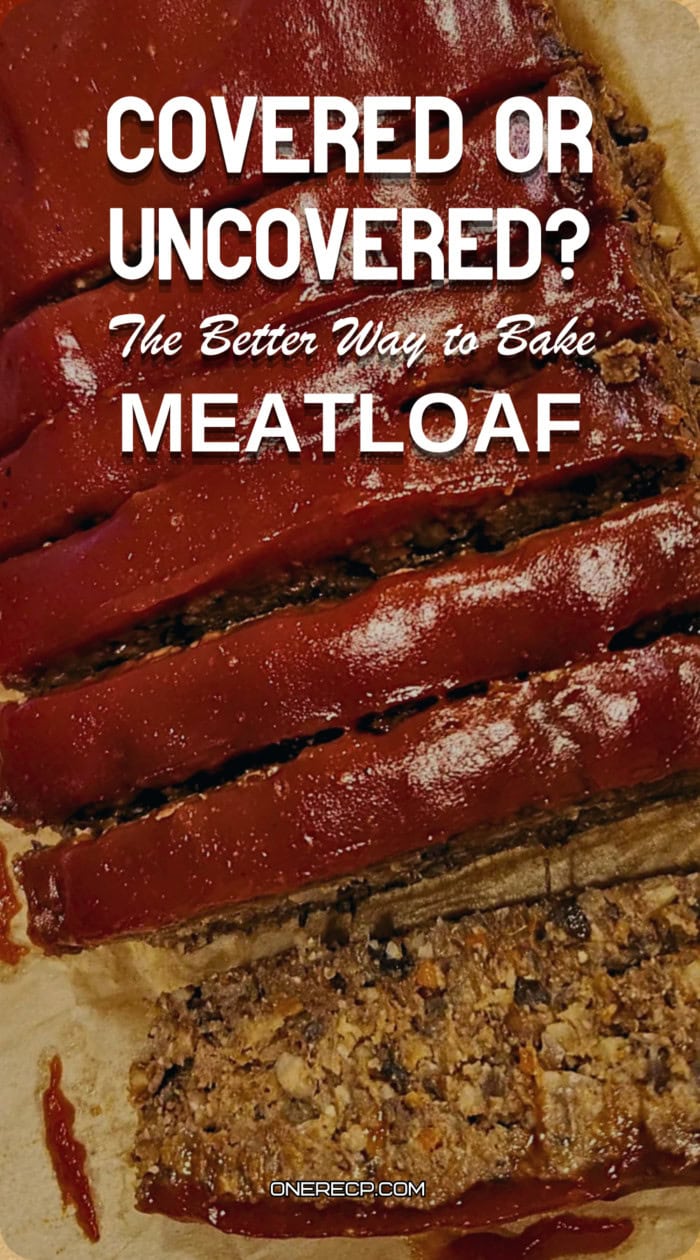
Do You Cover Meatloaf When Baking for Juicy Results?
Most of the time, meatloaf is best baked uncovered.
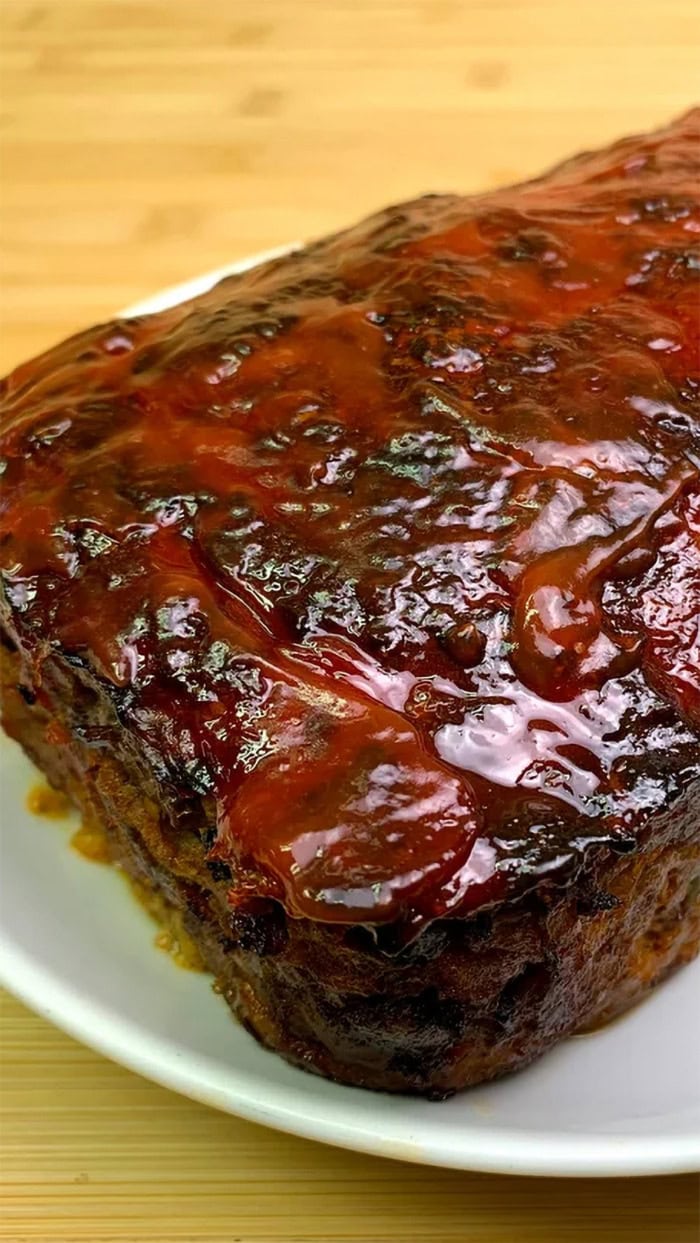
That is what gives it those browned edges, richer flavor, and slightly caramelized top that makes homemade meatloaf feel so comforting.
When the loaf stays exposed to the oven heat, the outside develops texture while the inside slowly cooks through.
If you tightly cover the meatloaf during the entire bake, the trapped steam changes the texture quite a bit.
Instead of browning properly, the loaf can end up looking pale and overly soft on the surface.
Almost steamed, really.
That said, covering meatloaf is not automatically wrong either.
There are definitely moments where foil helps.
If the top is getting dark too quickly while the middle still needs more time, loosely covering it with foil can protect the surface without drying everything out.
This happens more often with larger meatloaves or ovens that run hotter than expected.
A lot of home cooks actually get the best results somewhere in the middle.
They bake the meatloaf uncovered first so it develops color, then loosely tent foil over the top later only if necessary.
That balance usually gives you the best of both worlds – moisture inside and flavor outside.
The type of meat matters too.
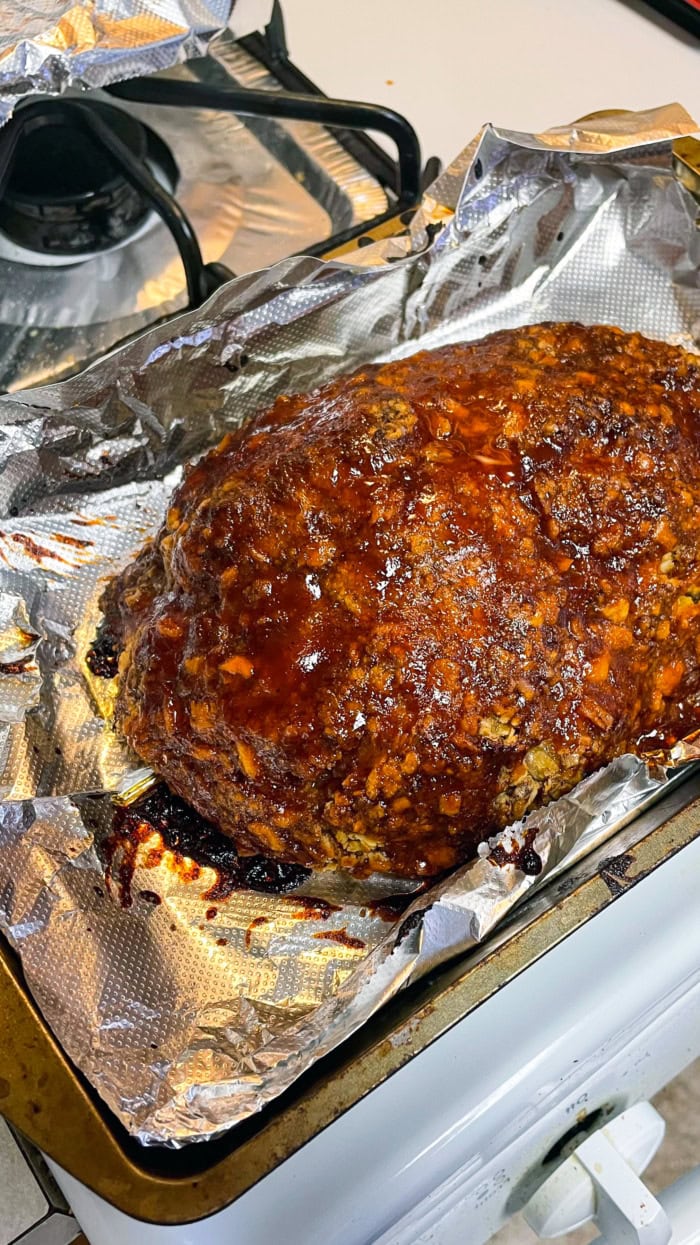
by reddit user Mother-Criticism2207
A meatloaf made with lean ground turkey or extra-lean beef dries out faster than one made with ground chuck that has a little more fat.
If you are using lean meat, partial covering can help preserve moisture during the bake.
Still, you usually want at least some uncovered time near the end so the loaf does not look gray and soft on top.
The pan also changes things more than people realize.
A free-formed loaf baked on a sheet pan gets more airflow around the edges, so it browns faster and develops more texture.
A loaf pan naturally traps more moisture, which already keeps the meatloaf softer even without foil.
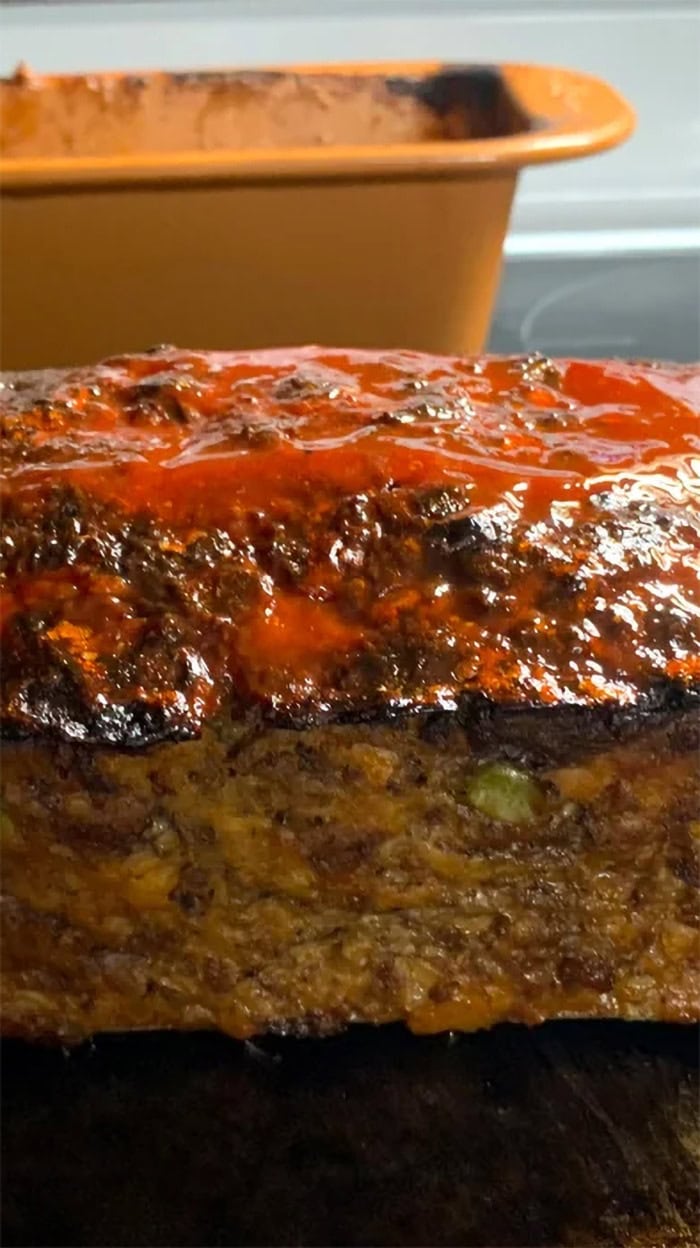
That is why loaf-pan meatloaf often feels more tender and sliceable, while sheet-pan meatloaf tends to have crispier edges.
Neither one is wrong.
It just depends on what kind of meatloaf you grew up loving.
Personally, the sweet spot is usually a lightly glazed meatloaf baked mostly uncovered with foil only if the top starts getting too dark.
That gives you enough browning without drying the inside into sawdust.
And honestly, overbaking is usually the real problem anyway.
A lot of people blame the lack of foil when the meatloaf was simply left in the oven too long.
Using a thermometer changes everything here.
Ground beef meatloaf is done at 160°F in the center, while poultry versions should reach 165°F.
Once it hits that temperature, pull it out.
Leaving it “just a little longer to be safe” is often how perfectly good meatloaf turns dry.
The glaze helps more than people think too.
A ketchup-based topping acts like a protective layer while baking.
It adds flavor, keeps the surface from drying too aggressively, and creates that glossy finish everyone pictures when they think of classic meatloaf.
Another thing that makes a huge difference is resting the loaf after baking.
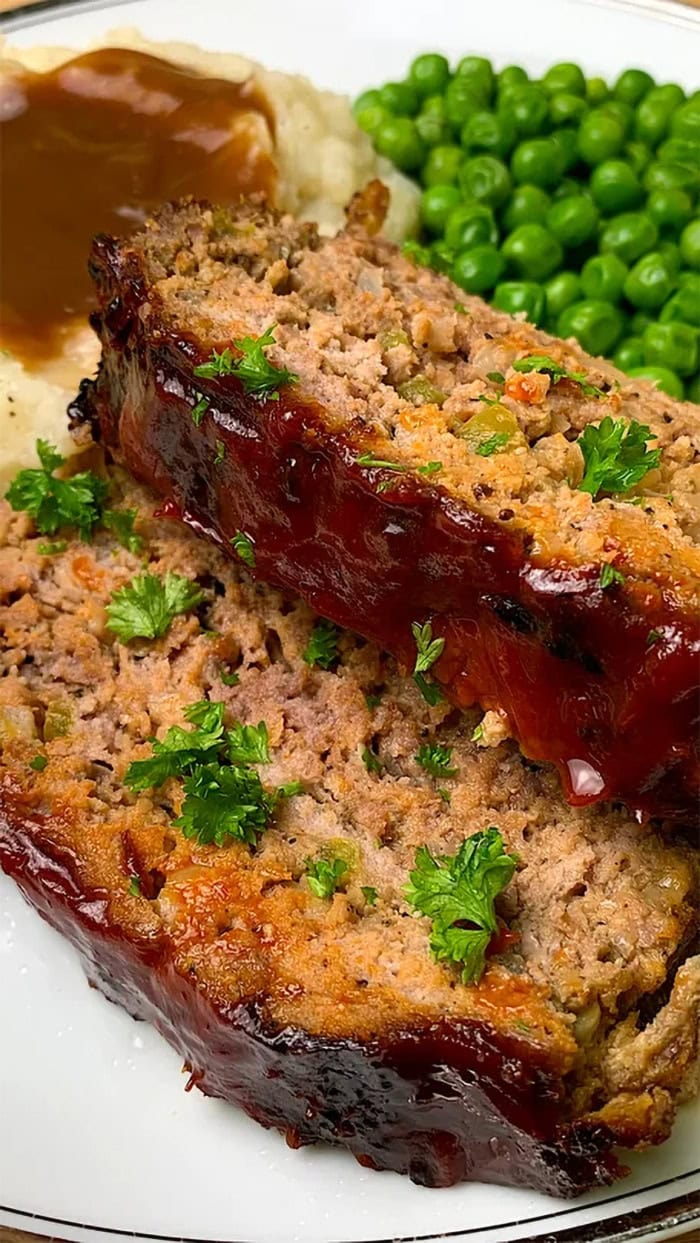
It smells amazing straight from the oven, so cutting into it immediately feels tempting.
But if you slice it too early, the juices run everywhere instead of staying inside the meat.
Even ten minutes of resting helps the texture noticeably.
The loaf slices cleaner, stays juicier, and holds together better.
A lot of people also underestimate how much the mixture itself affects moisture.
Too many breadcrumbs can make the loaf dense and dry.
Too little binder can make it crumble apart.
The best meatloaf usually feels soft before baking, not tightly packed like a brick.
That gentle texture carries through once it cooks.
And if your meatloaf keeps drying out no matter what you do, check your oven temperature.
Some ovens run much hotter than the dial says.
A cheap oven thermometer can honestly solve baking problems people have struggled with for years.
Should You Bake Meatloaf Covered With Foil?
Foil works best as a backup plan rather than a strict rule.
Its biggest job is protecting moisture.
When foil traps steam, it slows down how quickly the outer layer dries while the inside continues cooking.
That can really help with larger meatloaves that need more time in the oven.
But tightly sealing the loaf from start to finish usually creates a softer texture than most people want.
The top never gets that deeper color or slightly sticky glaze that makes meatloaf feel hearty and homemade.
That is why loosely tenting the foil works better than wrapping the loaf tightly.
You still get some protection from direct heat without trapping every bit of steam.
Foil becomes especially helpful if the glaze starts darkening too early.
Ketchup-based glazes contain sugar, and sugar can burn surprisingly fast in a hot oven.
Instead of lowering the oven temperature and slowing the whole recipe down, a loose foil tent usually fixes the problem immediately.
It is also useful when reheating leftover meatloaf.
Covered leftovers stay much softer and do not dry around the edges nearly as badly.
Some people intentionally bake meatloaf covered because they prefer a very soft, almost old-school diner texture.
Others want crispy edges and darker caramelization.
Honestly, both styles can be delicious.
The important part is understanding what result you are aiming for before the loaf goes into the oven.
If you are unsure, this method works beautifully most of the time:
- Bake uncovered first for browning and texture.
- Add foil later only if the top darkens too quickly.
- Remove the foil again near the end if needed.
Simple, flexible, and much less stressful than trying to follow rigid rules.
How Long Should Meatloaf Bake Uncovered?
Most meatloaves bake uncovered for around 45 minutes to 1 hour at 350°F.
The exact timing depends on the size of the loaf, the type of meat, and even the pan you use.
Smaller loaves cook fairly quickly, while thick meatloaf made in deep pans naturally takes longer.
Many people add the glaze during the final 15 to 20 minutes instead of right at the beginning.
That timing helps the glaze caramelize without burning.
Some recipes even brush on a second layer near the very end for extra shine and flavor.
If the top starts getting too dark before the center finishes cooking, that is the perfect moment to loosely cover it with foil.
No need to panic or drastically lower the oven temperature.
Just protect the surface and let the loaf finish naturally.
Another small detail that helps is shaping the loaf evenly.
Very thick centers with thin edges cook unevenly, which is why some meatloaf dries on the outside before the middle is ready.
A more even shape cooks more consistently from edge to center.
Convection ovens can also change things a little.
Because the heat circulates more aggressively, meatloaf may brown faster than expected.
In convection ovens, foil becomes useful sooner if the surface darkens too quickly.
Still, internal temperature matters more than exact baking time.
Once the center reaches the proper temperature, it is done.
That is the moment to pull it from the oven and let it rest.
Does covering meatloaf while baking keep it from drying out?
Covering meatloaf can absolutely help retain moisture, especially when using lean meat or baking a large loaf for a longer time.
But foil alone will not magically fix a dry recipe.
The fat content, breadcrumb ratio, oven temperature, and resting time all matter too.
Usually, the juiciest meatloaf comes from balancing all those little details together instead of relying on just one trick.
Can you bake meatloaf uncovered the whole time?
Yes, and many classic meatloaf recipes are meant to be baked that way.
If the loaf contains enough moisture and fat, uncovered baking creates the best flavor and browning.
The glaze also helps protect the top naturally during cooking.
Why does my meatloaf fall apart after baking?
This usually happens when the mixture lacks enough binder ingredients like eggs or breadcrumbs.
Slicing too early can also cause the loaf to crumble because the juices have not had time to settle yet.
Letting the meatloaf rest makes a bigger difference than most people expect.
Is meatloaf better in a loaf pan or on a baking sheet?
A loaf pan creates softer, more tender meatloaf because it traps moisture during baking.
A baking sheet gives you crispier edges and more browning around the outside.
Both methods work well – it really comes down to the texture you personally prefer.
Once you understand how covering affects moisture and browning, figuring out whether to cover meatloaf when baking stops feeling confusing.
After that, it becomes much easier to adjust the method until your homemade meatloaf comes out exactly the way you like it.